

One Day in Zhangjiajie: The Perfect Avatar Mountains Itinerary
Three thousand sandstone pillars wrapped in mist — the mountains that inspired Avatar. You need two days to do them justice, but here's how to see the very best of Zhangjiajie in one.
Some links in this guide are affiliate links. If you book through them we may earn a small commission, at no extra cost to you — we only point to options we’d use ourselves.
Some landscapes look photoshopped in person. Zhangjiajie is one of them. More than three thousand quartzite sandstone pillars rise straight out of the forest, hundreds of metres tall, their tops crowned with pine and almost permanently wrapped in drifting cloud. James Cameron's team came here to scout the floating Hallelujah Mountains of Avatar, and once you've stood on the edge at Yuanjiajie and watched the mist pour between the columns, you understand exactly why.
The honest truth is that the park — properly the Zhangjiajie National Forest Park, the heart of the Wulingyuan UNESCO World Heritage Site — deserves two or three days. But plenty of people pass through with only one, and a single well-planned day is genuinely enough to see the headline acts. This is how to spend it: up the world's tallest outdoor elevator at opening, the Avatar peaks before the crowds, and the great Tianzi Mountain panorama after lunch.
- Currency
- Chinese yuan (RMB / ¥)
- Language
- Mandarin — little English; use a translation app
- Getting there
- High-speed rail to Zhangjiajie West, then bus/taxi
- Park ticket
- ≈ ¥225, four-day pass (passport + advance booking)
- Getting around
- Free eco-buses inside the park
- Best time to visit
- April–May & October; mornings for mist
- Payment
- Cashless — Alipay or WeChat Pay
- Useful apps
- Amap (maps), Alipay/WeChat, a translator
Where to Stay in Zhangjiajie
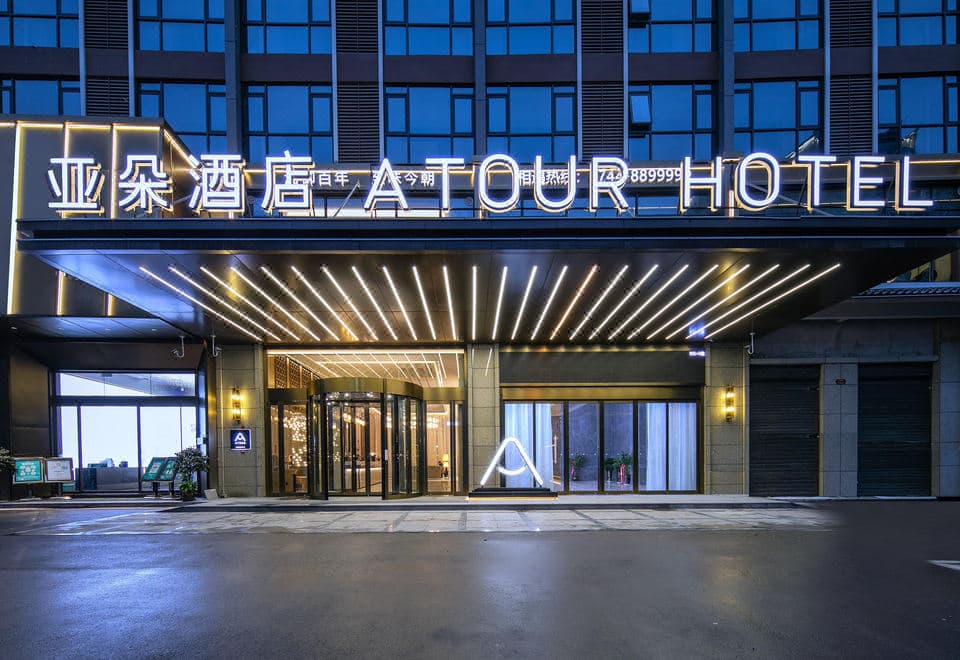
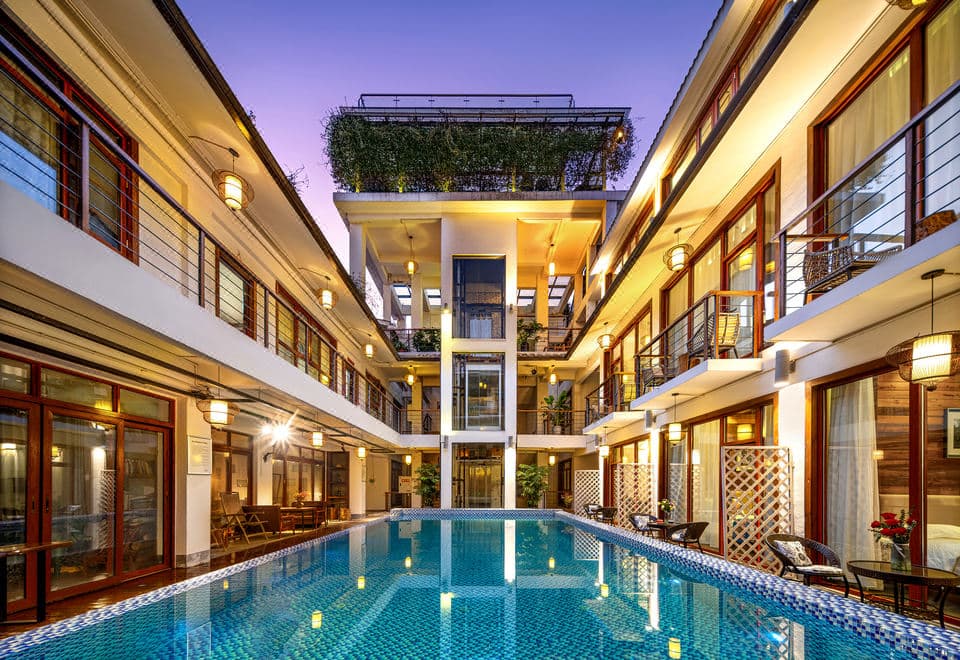
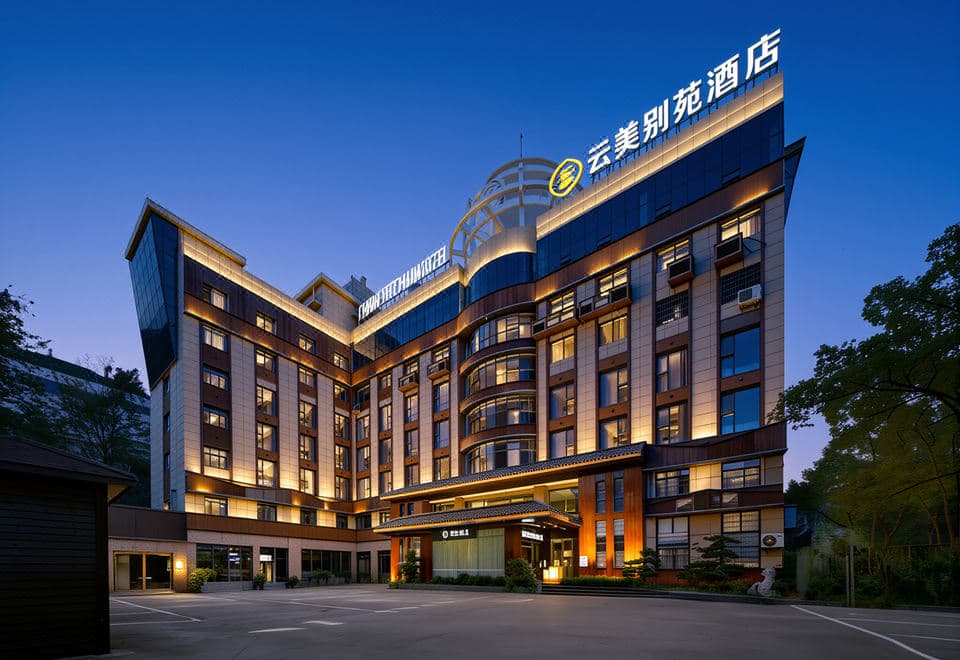
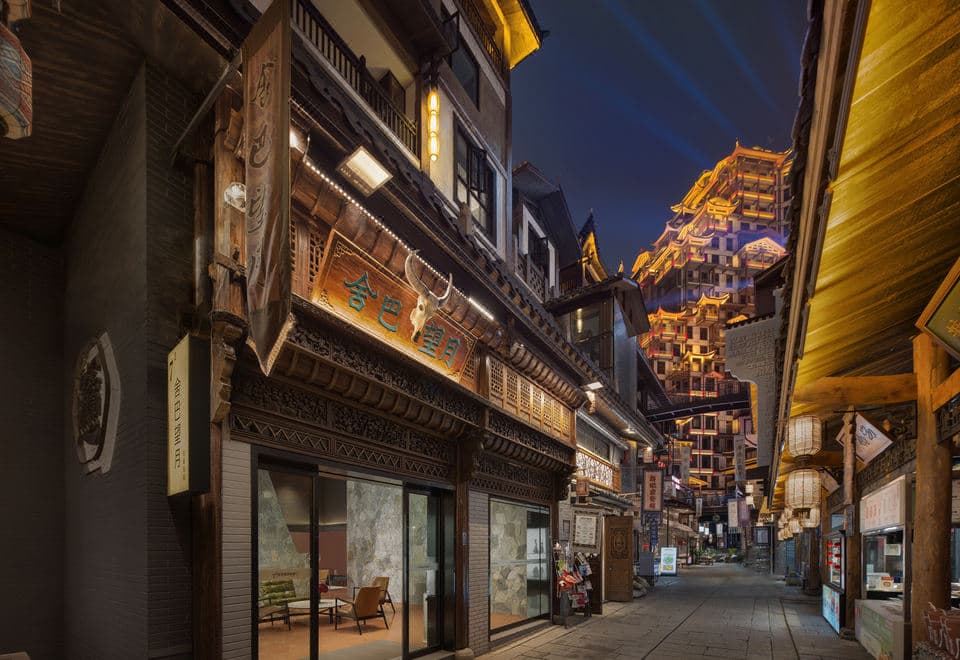
Where you sleep decides how good your day is — being first through the gate is the single biggest advantage you can give yourself here.
Before You Go: Tickets, Passport & the Reservation Rule
A little admin the night before saves you real pain at the gate.
The standard ticket is a four-day pass (around ¥225) covering park entry, the free internal eco-buses, and insurance — so a single day uses a fraction of it. It does not cover the elevator or cable cars, which are paid separately. China is effectively cashless, so set up Alipay or WeChat Pay (both now link to foreign cards) before you arrive.
- Park entry (4-day pass)
- ≈ ¥225
- Bailong Elevator (up)
- ¥65 one-way
- Tianzi / Yangjiajie cableway
- ≈ ¥70 one-way
- Internal eco-buses
- Free (included in entry)
The One-Day Itinerary at a Glance
- Dawn — Be at the Wulingyuan ticket gate the moment it opens (7am)
- Morning — Bailong Elevator up to Yuanjiajie: the Avatar Hallelujah Mountain and the First Bridge Under Heaven
- Midday — Eco-bus across the plateau to Tianzi Mountain for the grand panorama
- Afternoon — Ride the Tianzi cable car down and shuttle back to the gate
Morning: The Avatar Peaks
Everything about a good day here depends on the first hour. The park opens at 7am from March to November (8am in winter), and you want to be in the queue before it does. Tour groups arrive mid-morning, and the difference between Yuanjiajie at 8am and at 11am is the difference between a quiet cliff edge and a three-deep scrum at every railing.
The Bailong Elevator
From the Wulingyuan gate, hop on the free eco-bus to the foot of the Bailong Elevator — the "Hundred Dragons" lift, and the headline act of the morning. It's a glass-walled elevator bolted to the side of a sheer quartzite cliff, and it holds the Guinness record as the tallest outdoor lift in the world. You rise 326 metres in under two minutes, the forest floor dropping away beneath your feet and the pillars sliding past the glass.
- Height
- 326 m — world's tallest outdoor lift
- Ride time
- Under 2 minutes
- Cost
- ¥65 one-way
- Opened
- 2002 (three Guinness records)
Yuanjiajie & the Avatar Hallelujah Mountain
Step off the elevator and a five-minute walk brings you to Yuanjiajie, and the view that put Zhangjiajie on the world's bucket lists. The most famous pillar here — a slender, top-heavy column furred green with trees — was officially renamed the Avatar Hallelujah Mountain in 2010, after the film. Before Hollywood arrived it had a quieter name, the Southern Sky Column, and you'll still hear older guides use it.

The Yuanjiajie loop is mostly flat, paved, and signed in English — budget an hour to ninety minutes and don't rush it.
The First Bridge Under Heaven
The other unmissable stop on the Yuanjiajie circuit is the First Bridge Under Heaven, a natural stone arch slung between two peaks with a heart-stopping drop beneath it. On a clear morning you see the chasm fall away; on a misty one, the bridge floats over white nothing, which is arguably better.

Midday: Tianzi Mountain
From Yuanjiajie, catch the free eco-bus across the plateau toward Tianzi Mountain ("Son of Heaven Mountain"). The ride is part of the experience, threading between peaks the whole way. Grab lunch at one of the simple stalls near the bus stops: cucumber salad, rice, cured Hunan bacon, and a corn on the cob will set you back almost nothing and taste better than it has any right to at altitude.
The Grand Panorama
Where Yuanjiajie puts you eye to eye with individual columns, the Tianzi viewpoints — He Long Park and the Imperial Brush Peaks among them — open out over a whole sea of pillars marching to the horizon. This is the wide shot, the one that doesn't fit in a single frame no matter how hard you try.

The Cable Car Down
When you've had your fill of the view — and your legs are voting to leave — take the Tianzi Mountain cable car down rather than walking. It's the best-value ten minutes in the park: a slow, swinging descent straight through the pillars, with the valley floor unspooling beneath the cabin.

At the bottom, a free eco-bus loops you back to the Wulingyuan gate. If you somehow still have daylight, the Golden Whip Stream — a flat 7.5km walk along a clear river on the valley floor, with the pillars towering overhead and macaques along the path — is the classic add-on. On a one-day visit, most people happily save it for next time.
Is One Day in Zhangjiajie Enough?
For the highlights, yes — one focused day covers the two best areas, Yuanjiajie (the Avatar peaks) and Tianzi Mountain (the grand panorama), which between them hold the views you came for. What you can't do in a day is the whole park: there are five scenic clusters, three major cable cars, and the Golden Whip Stream valley walk, plus Tianmen Mountain and the Grand Canyon glass bridge nearby. Give it two or three days if you can. With one, prioritise ruthlessly, use the elevator and cable cars rather than the stairs, and come back for the slow version.
Best Time to Visit Zhangjiajie
Zhangjiajie is a year-round destination, but the sweet spots are April–May and late September–October: comfortable temperatures, greener forest, and clearer air. Summer is lush but hot, humid, and busy with domestic tourists; it's also the rainy season — which brings the photogenic mist but the occasional washout. Winter is cold and quiet and can dust the pillars with snow, though some cable cars close in bad weather. Whenever you come, mornings are mistier and emptier than afternoons.

How to Get to Zhangjiajie (and Around the Park)
The fast, modern way in is the high-speed rail to Zhangjiajie West Station, connected to Changsha (about 1.5 hours), Guangzhou, and beyond; there's also a small airport (Zhangjiajie Hehua). From the West station, a direct coach runs to Wulingyuan for around ¥13 (about an hour), or a taxi does it in 35 minutes for roughly ¥85.
Inside the park, the free eco-buses are your backbone — they loop between Yuanjiajie, Tianzi Mountain, Yangjiajie and the gates, and they're included in your ticket. You'll barely walk between areas; the walking you do is on the clifftop loops, which is exactly where you want it.
What to Pack for a Day in the Park
The park is all clifftop paths and damp stone steps, so the kit list is short but it matters: trail shoes with grip (the stone is polished and slick when wet — the same shoes that earn you Hong Kong's best ridgelines), a light rain jacket, water, sunscreen, and your passport for the gate scans.
How Much Does Zhangjiajie Cost?
Zhangjiajie is excellent value once you're past the entry ticket. Lodging and food are cheap; the only real add-ons are the elevator and cable cars.
- Budget day
- ¥350–500 (guesthouse, park entry, one ride, noodles)
- Mid-range day
- ¥700–1,000 (nicer hotel, elevator + cable car, sit-down meals)
- A local meal
- ¥20–40
- Elevator + one cable car
- ≈ ¥135
If You Have a Second Day: Tianmen Mountain
If your "one day" turns into two, give the second to Tianmen Mountain, right above Zhangjiajie city and a completely different experience from the forest park. You ride one of the longest passenger cable cars in the world — nearly 7.5km — from the edge of downtown up to the summit ridge, walk the glass-floored skywalks pinned to the cliff face, and climb the 999 steps to Heaven's Gate, a vast natural arch punched clean through the mountain.

One quick note to save confusion: the much-Instagrammed Zhangjiajie Glass Bridge is in the Grand Canyon, a third site again — not the forest park, not Tianmen. Wonderful if you have the time, but don't expect to find it on this one-day loop.
Where to Go After Zhangjiajie
Most travellers reach Zhangjiajie as one stop on a bigger China or Asia route. The nearby Fenghuang Ancient Town (about four hours by bus) makes a gentle riverside counterpoint to all the vertical drama, and Changsha — the high-speed-rail hub — connects onward to the rest of the country. If Zhangjiajie is part of a wider Asia trip, it pairs naturally with a city leg: see our 3 days in Singapore or 5 days in Hong Kong itineraries, or browse everything in our China travel guide.
The bottom line: one day in Zhangjiajie is a highlight reel, not the full album — but what a reel. Up the elevator at dawn, the Avatar peaks before the crowds, the great panorama after lunch, and the cable car home. Do it in this order, book your ticket the night before, and bring a rain jacket you won't mind getting misty. The clouds are doing you a favour.