3 Days in George Town, Penang: The Perfect Itinerary (Old)
Gushing about char kway teow, a temple bell, and the shock of blue at first sight of the Blue Mansion — how to make the most of three days in George Town.
In George Town, nestled on the charming island of Penang, a fascinating fusion of Chinese, Indian, and Malay traditions has evolved over centuries. This unique blend, shaped by the island's colonial past, is evident in the local culture and cuisine. Spend three days in George Town to immerse yourself in its layered architecture, vibrant street art, and delectable food.
I often find myself gushing about Penang — gushing about the smell of char kway teow, the sound of a temple bell, and the shock of blue at first sight of the Blue Mansion. It's a destination that truly captivated me. While I believe it deserves more than just a three-day visit, I understand that most people can't dedicate a whole month to travel. So I'm here to share how you can make the most of your time and see as much of the island as possible.
George Town 3-Day Route
George Town, Penang
Peak
Dry, low humidity, clear skies — best for exploring the UNESCO core on foot.
Shoulder
Warm, humid, less crowded; start early to beat the heat. (We went in March — hot & humid!)
Warm & humid
Brief afternoon downpours, fewer crowds — great for budget travellers.
Low
Wettest months — monsoon season.
Don't miss: George Town Festival in July — extra street-art installations and cultural events.
- Daily food budget
- RM 20–30/day (€4–7)
- Where to stay
- Hostels €15–30 · 4★ €50–60 · 5★ €120–160
- Getting there
- Ferry from Butterworth, drive/bus over Penang Bridge, or fly into Penang (PEN).
- Getting around
- Grab across the island; walk the UNESCO heritage core.
- Cuisine
- Malay, Chinese & Indian. Must-try: Char Koay Teow, Assam Laksa, Nasi Kandar, Cendol. Hawker hubs: Gurney Drive, New Lane, Kimberley Street.
- Money
- MYR — mostly cash (street food, heritage houses); some museums card-only; Alipay+ accepted.
- Safety
- Felt safe walking the heritage area from dawn to night.
- Etiquette
- Cover shoulders & knees at temples. Linen is your friend in the humidity.
- Watch out
- Humidity hits the moment you land; rush-hour traffic — plan airport runs.
Getting to George Town
George Town sits on Penang Island, connected to the Malaysian mainland in two ways. The most atmospheric is the ferry from Butterworth — the crossing takes 10–20 minutes and the ticket costs RM 1.20. If you're driving, the Penang Bridge connects the mainland to the island; driving is on the left side of the road, as in the UK. Penang International Airport (PEN) has direct connections to Kuala Lumpur, Singapore, Bangkok, and other regional hubs — it's the easiest way in or out. You can also arrive by bus from elsewhere in Malaysia (check RedBus, EasyBook, or 12Go.Asia for tickets) or by train (check 12Go.Asia for timetables).
Where to Stay in George Town
The coolest place to stay is arguably the Blue Mansion itself — part of it operates as a boutique hotel, and it was a set for a scene in Crazy Rich Asians. It's pricey and reservations can be hard to secure; if you'd still like a taste of it, join one of the daytime tours, have a drink at the bar, or dine at the restaurant instead.
- Budget & hostels
- €15–€30
- Mid-range (3/4★)
- €35–€75
- Luxury (5★)
- €120–€160
- The Blue Mansion
- from €255/night
Day 1: Heritage Mansions and Colonial History
Mugshot Café — breakfast
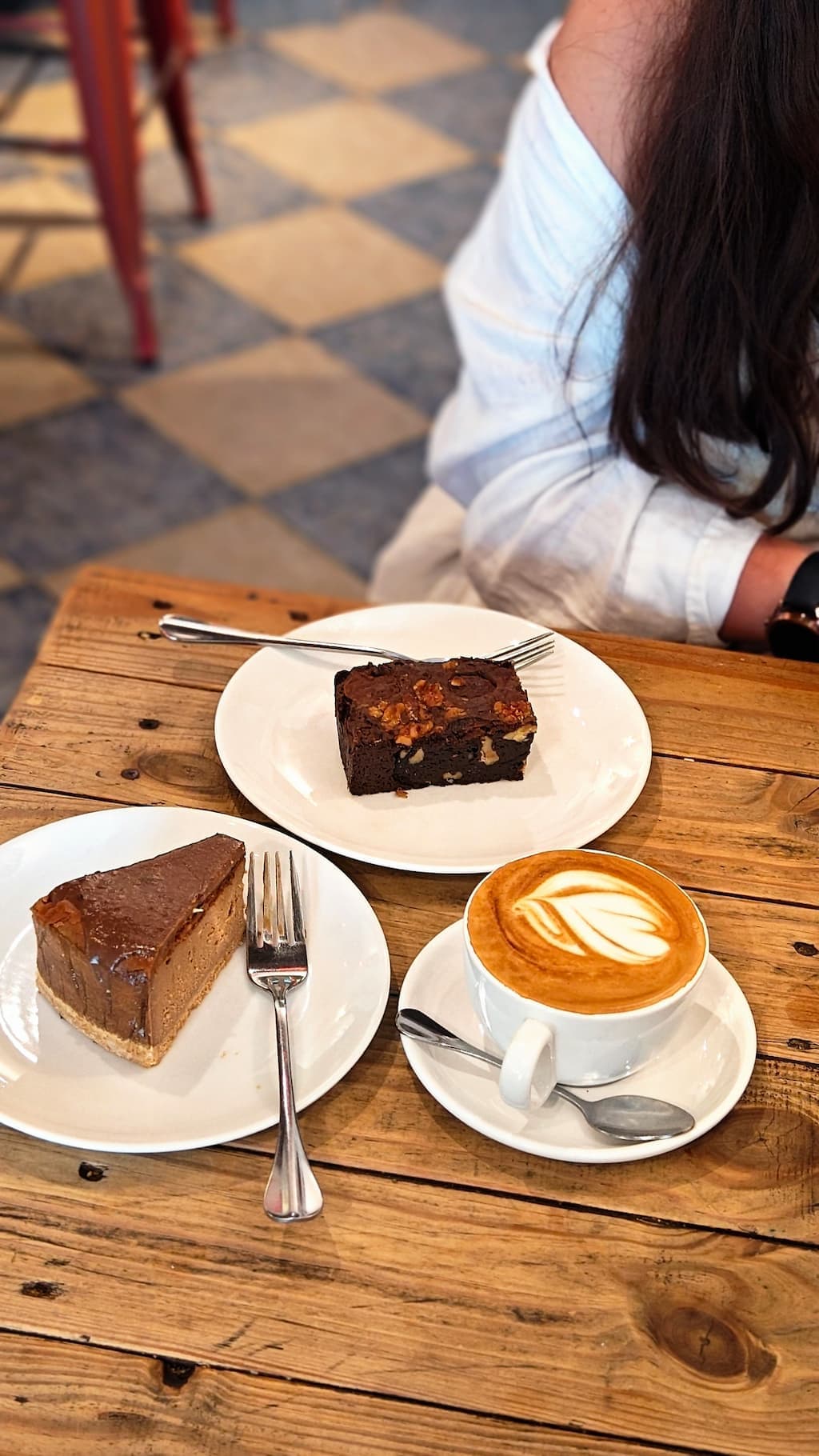
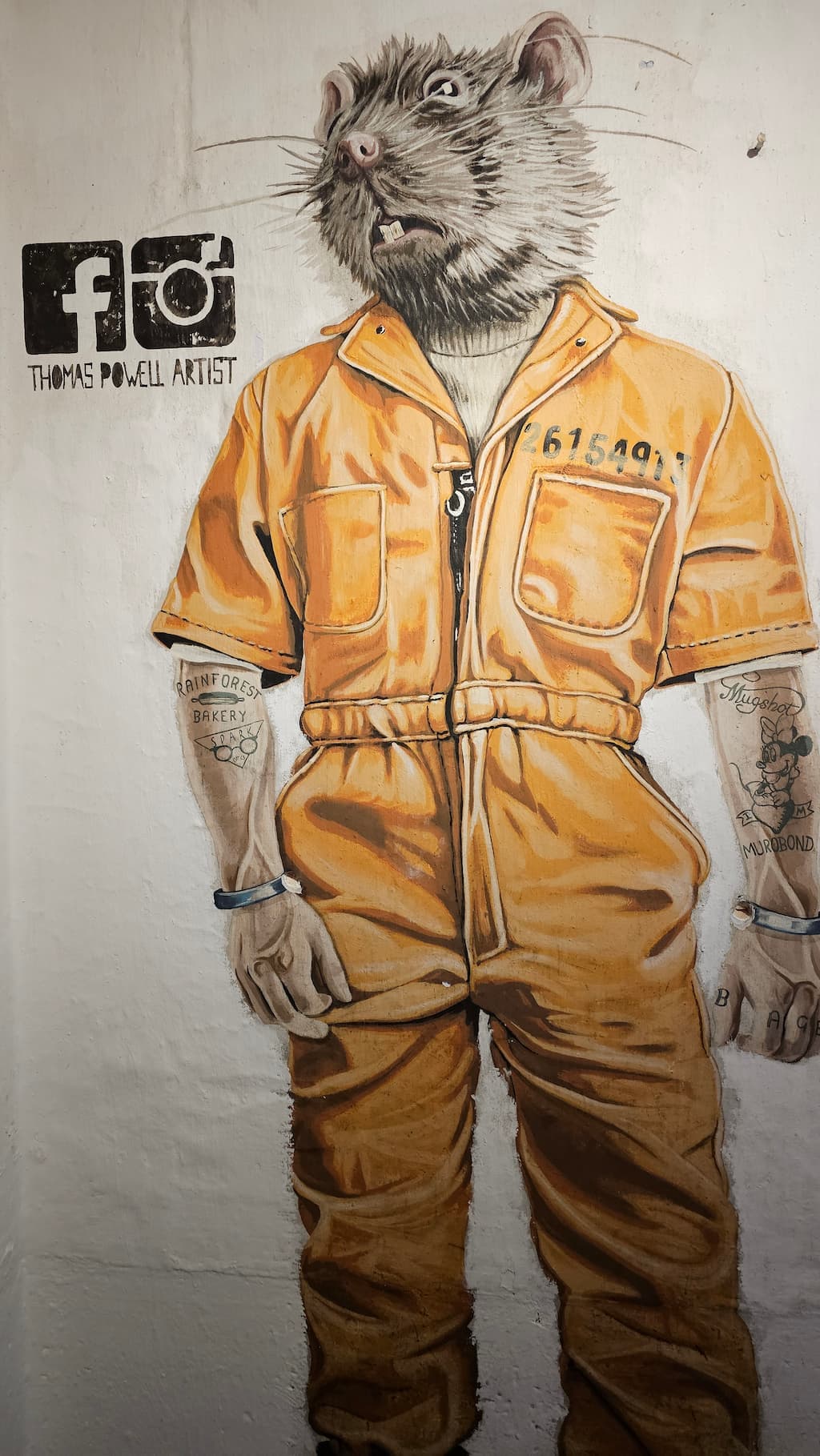
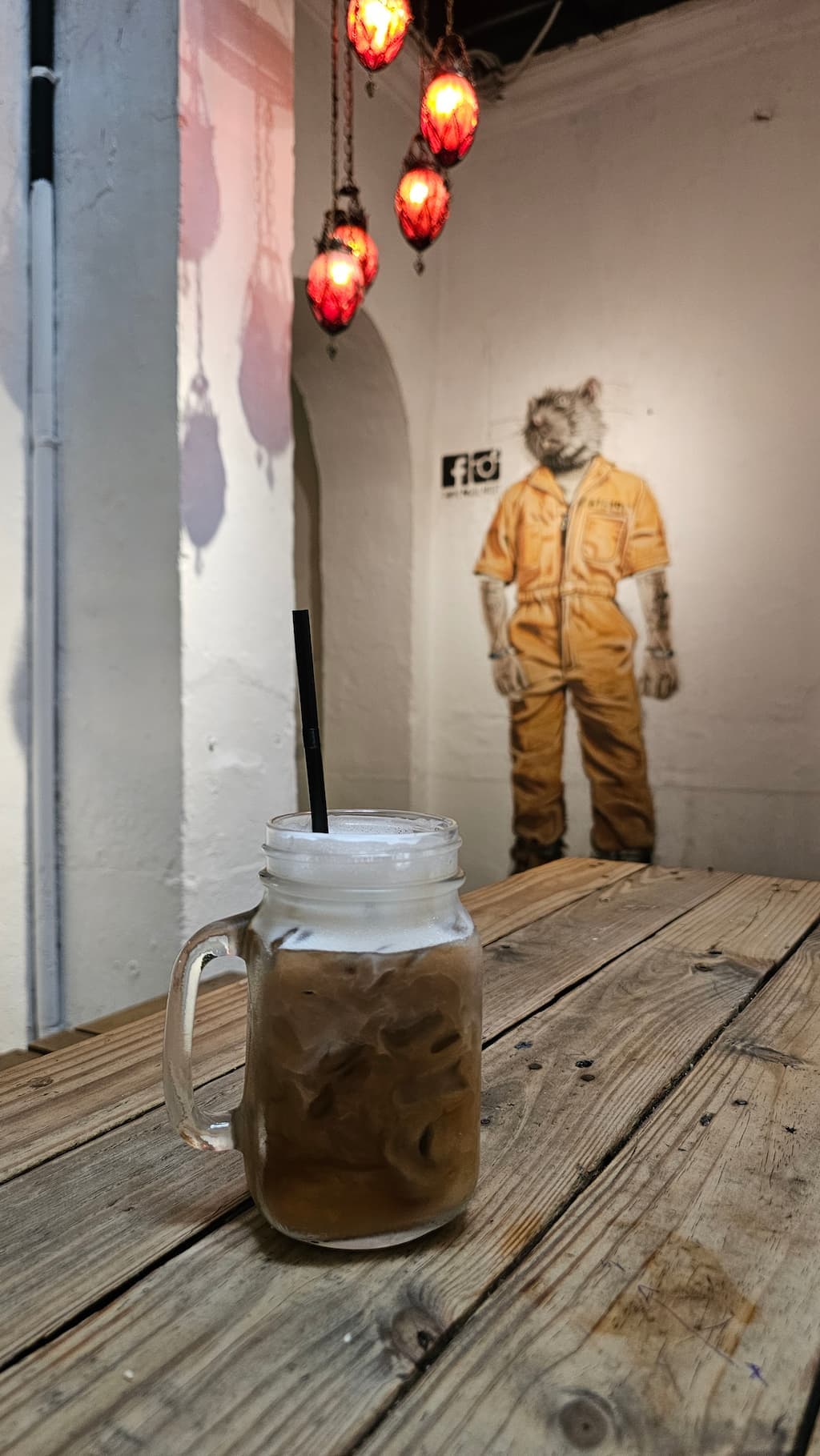
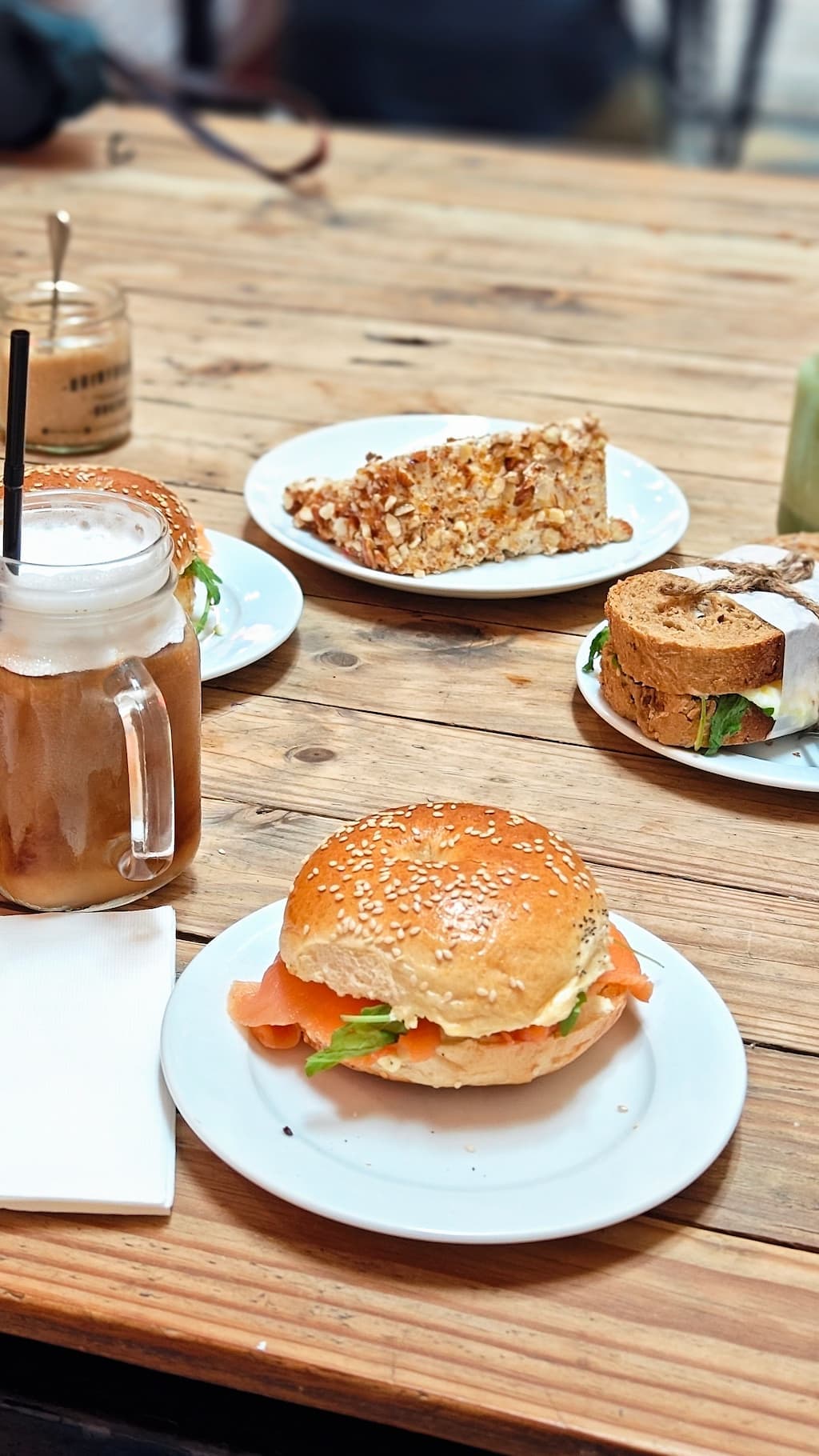
Start the day with a good quality coffee and breakfast at one of the most charming cafés in George Town: The Mugshot Café on Chulia Street. It's a local hotspot for locals and travellers alike, so come early on weekends if you want to try their famous signature wood-fired bagels and pastries. It's nicely decorated with books, photographs, and eccentric paintings — the café is fairly long, with some wooden chairs and tables at the far end.
The Blue Mansion — 11 AM tour
Head to the Cheong Fatt Tze Mansion for the 11 AM tour. If you have time before it, wander the heritage shophouses on Muntri Street — I came back to this quarter several times just for the shopping and the colourful architecture.
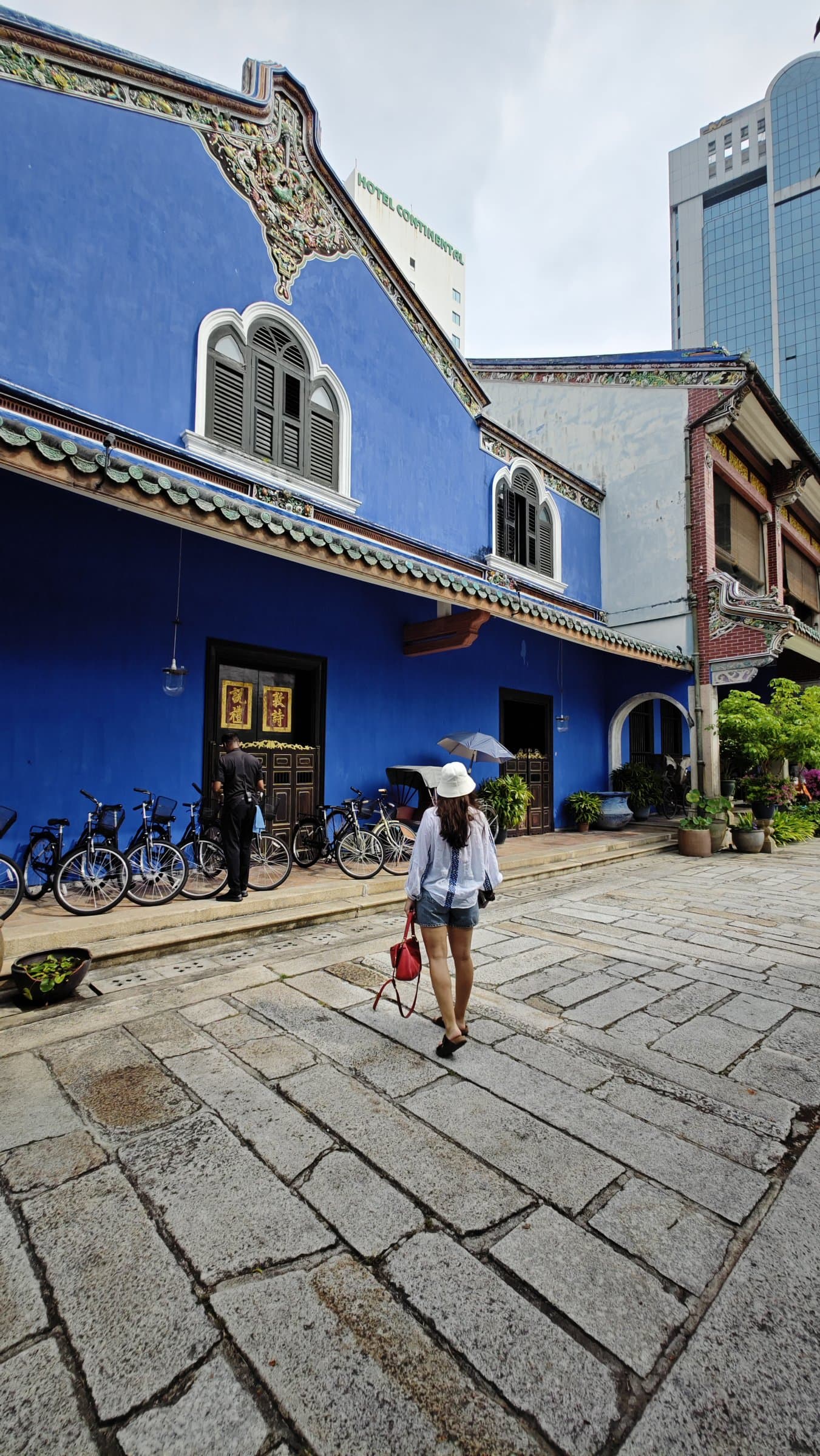
The Blue Mansion, named for its bright blue walls, is perhaps the most famous heritage building in George Town and was awarded the UNESCO Most Excellent Project for best conservation work in 2000. Built by Chinese merchant Cheong Fatt Tze — "the Rockefeller of the East" — at the end of the 19th century, the mansion has 38 rooms, 5 granite-paved courtyards, 7 staircases, and 220 windows. A six-year restoration returned it to its original glory: an eclectic fusion of European and Chinese architectural styles. It also had a cameo in the 2018 blockbuster Crazy Rich Asians.
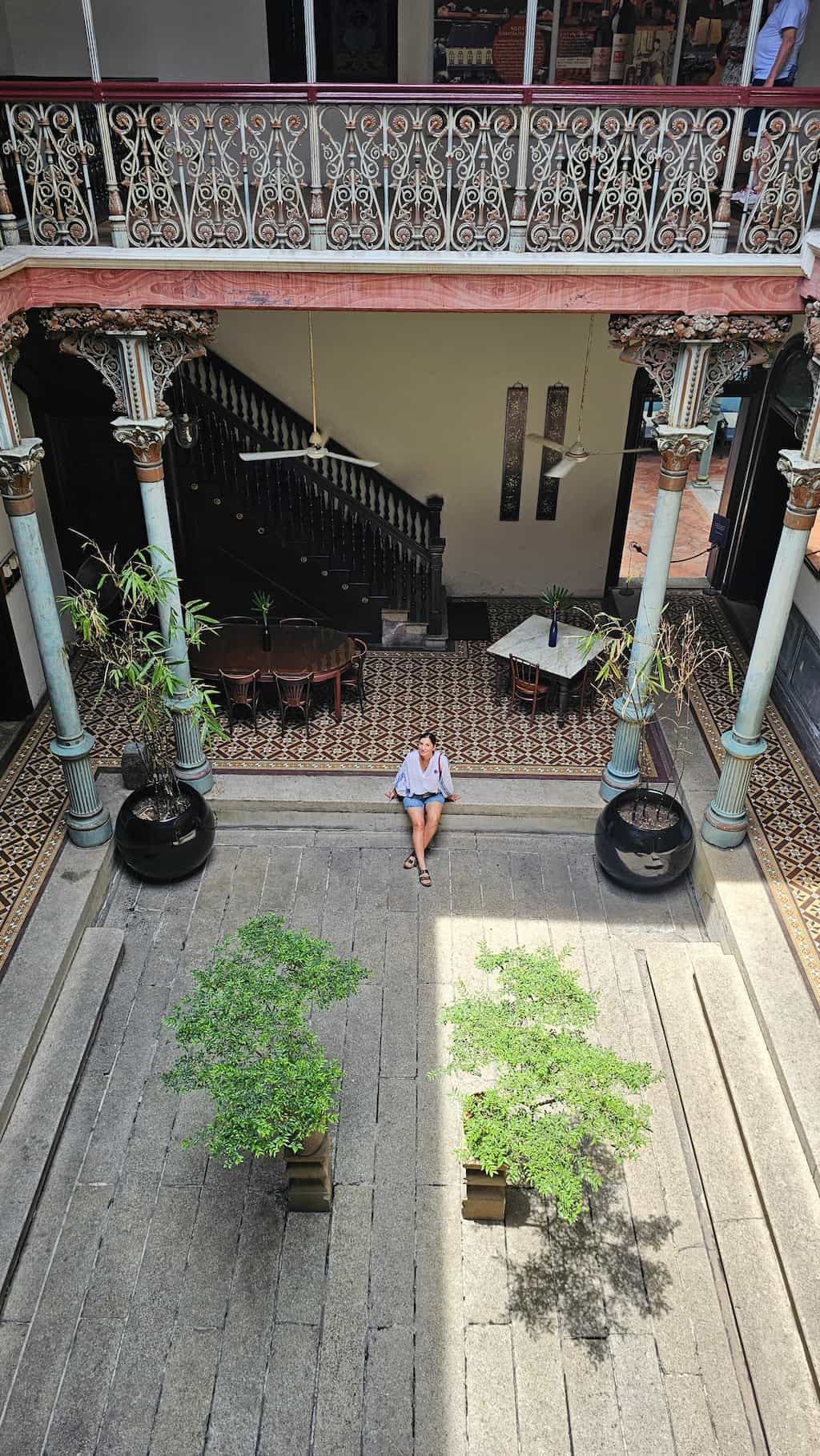
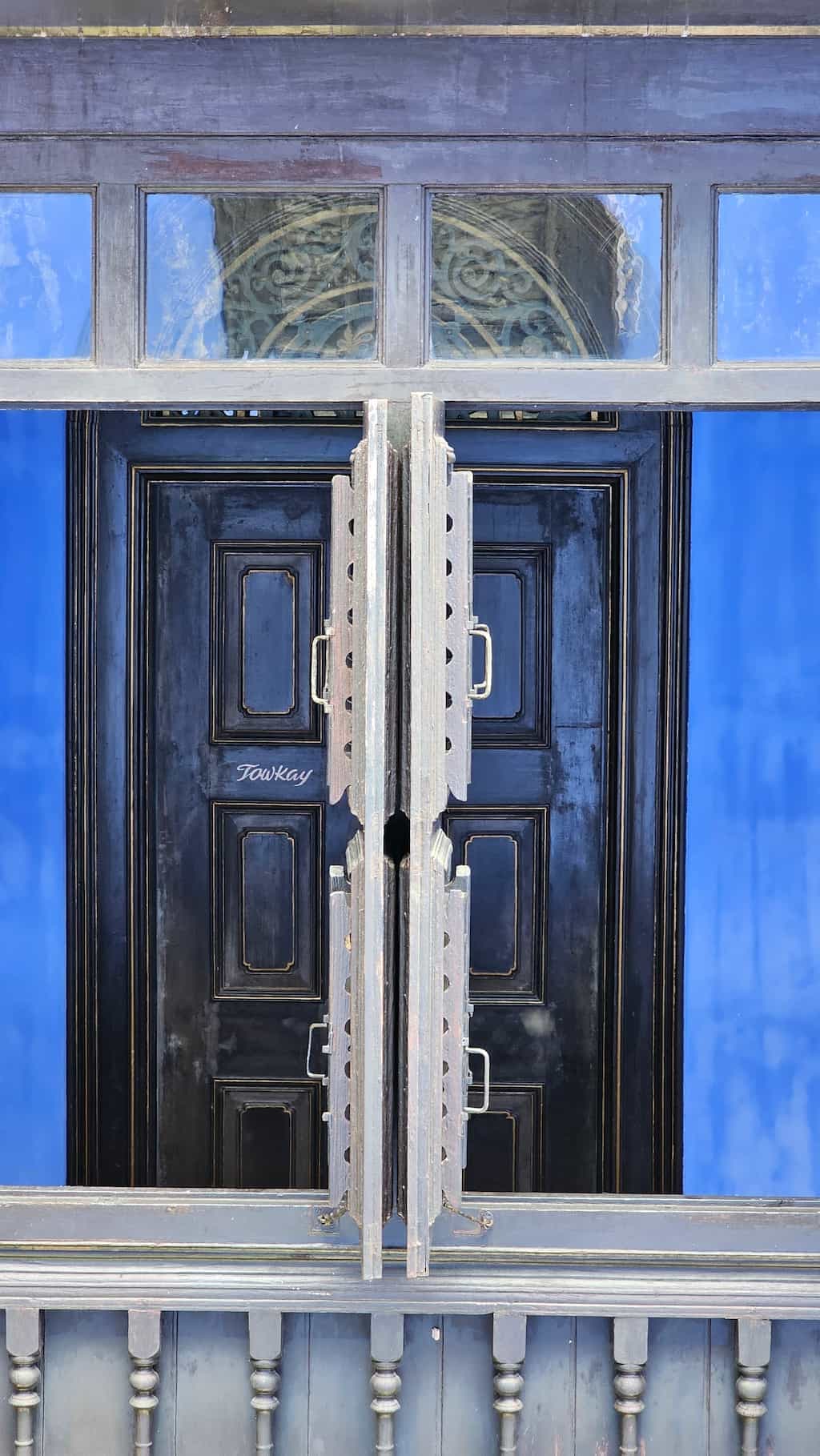
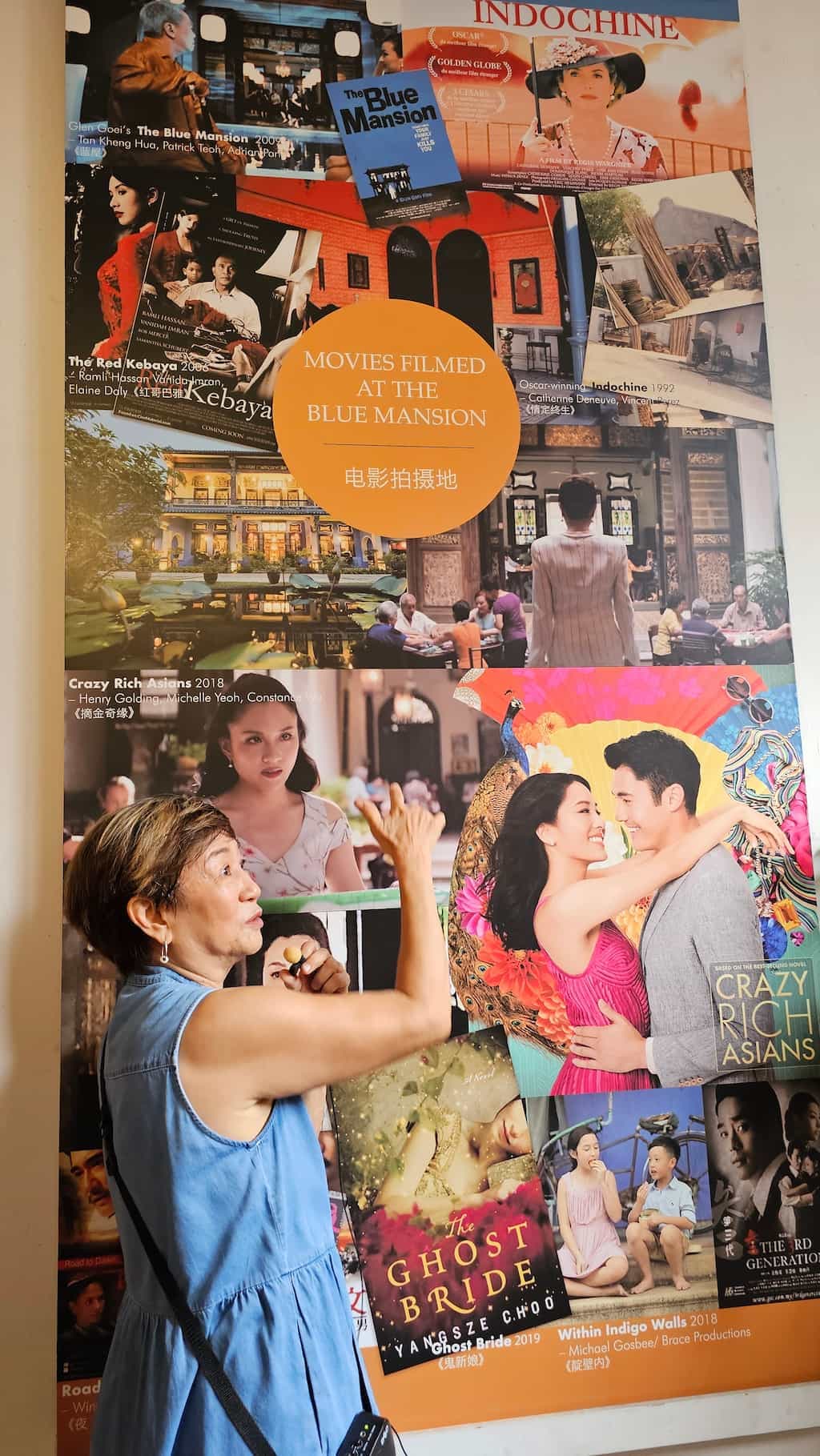
Movies filmed at the Blue Mansion, on display inside.
A portion has been converted into a boutique hotel and is off-limits, but guided tours cover the historical rooms and courtyards. The bar and restaurant are open to visitors.
Funny fact: Cheong Fatt Tze wasn't only rich enough to build a house like this — he also had eight wives, several concubines, eight sons, and six daughters.
Practical details: Guided tours daily at 11 AM and 2 PM, 45 minutes. Entry: RM 25 adults / RM 12.50 children. Book the tour here (thebluemansion-online.globaltix.com).
Fort Cornwallis — 2 PM
If you're interested in Penang's colonial history, Fort Cornwallis is a good place to start — you'll learn about one of the defining moments in the island's past: when the British arrived and began building a fort on its north-eastern tip. Take a guided tour if one coincides with your visit; without it, you risk leaving with the impression that you've seen some rocks.
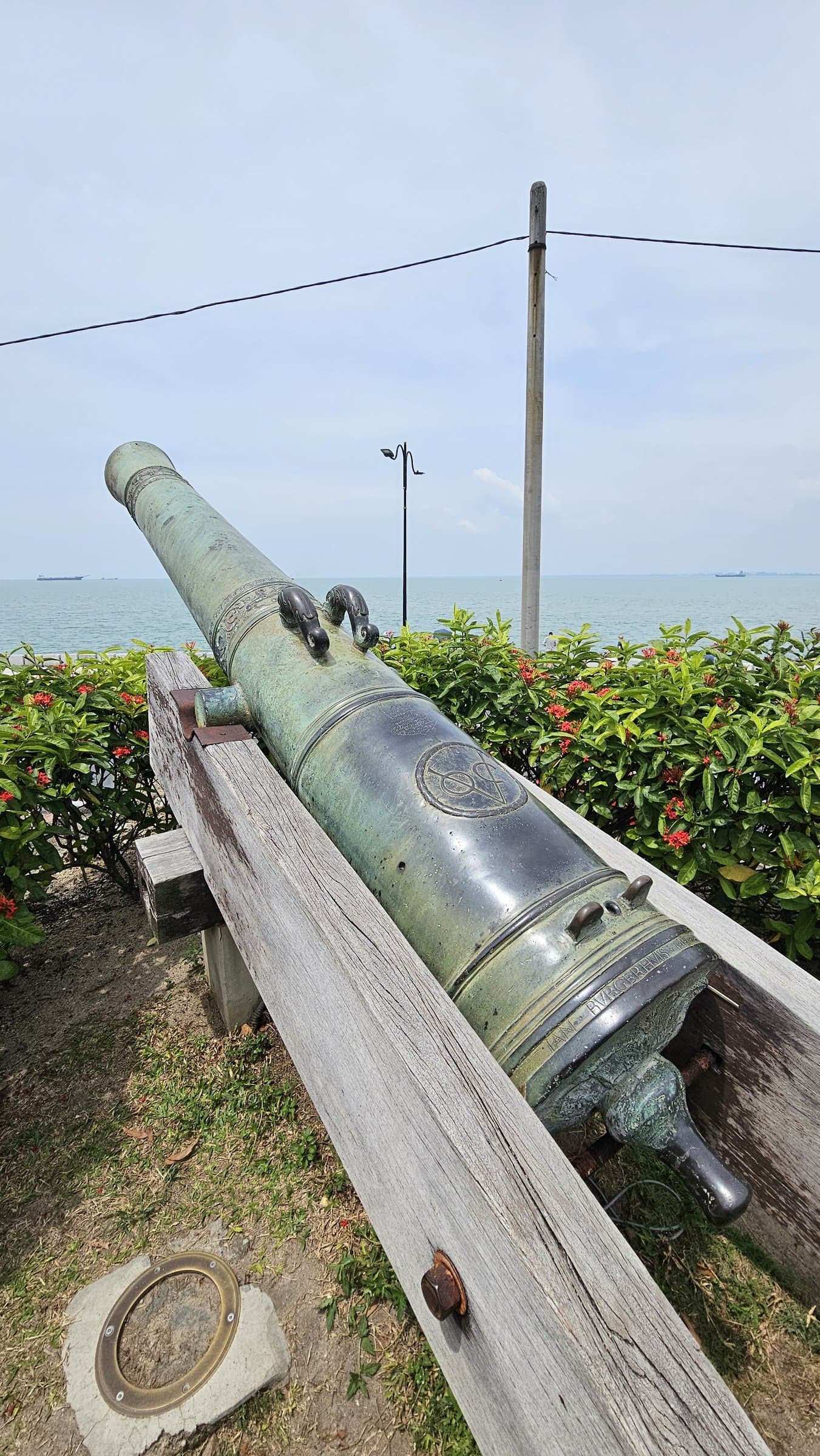
Practical details: Open 8 AM–11 PM daily. Entry: RM 20 for non-Malaysians / RM 10 for Malaysians. Card only — no cash accepted. A beer is included in the ticket, served at the rooftop terrace bar. Guided tours: Fri–Sun at 10 AM, 12 PM, 2 PM, and 4 PM.
The Pinang Peranakan Mansion — 4:30 PM
The Pinang Peranakan Mansion is a 19th-century Chinese home that belonged to an affluent family — the Chinese Kapitan, Cina Chung Keng Kwee. Now a museum, it showcases the culture and traditions of the Peranakan community and offers a glimpse into an opulent Baba-Nyonya house. The Peranakans developed a unique lifestyle by adopting selected practices from local Malays and colonial British, visible in the eclectic style: Chinese carved-wood panels, English floor tiles, and Scottish ironworks.
Practical details: Entry: RM 25 adults / RM 12.50 children. Complimentary English tour daily at 4:30 PM, 45 minutes.
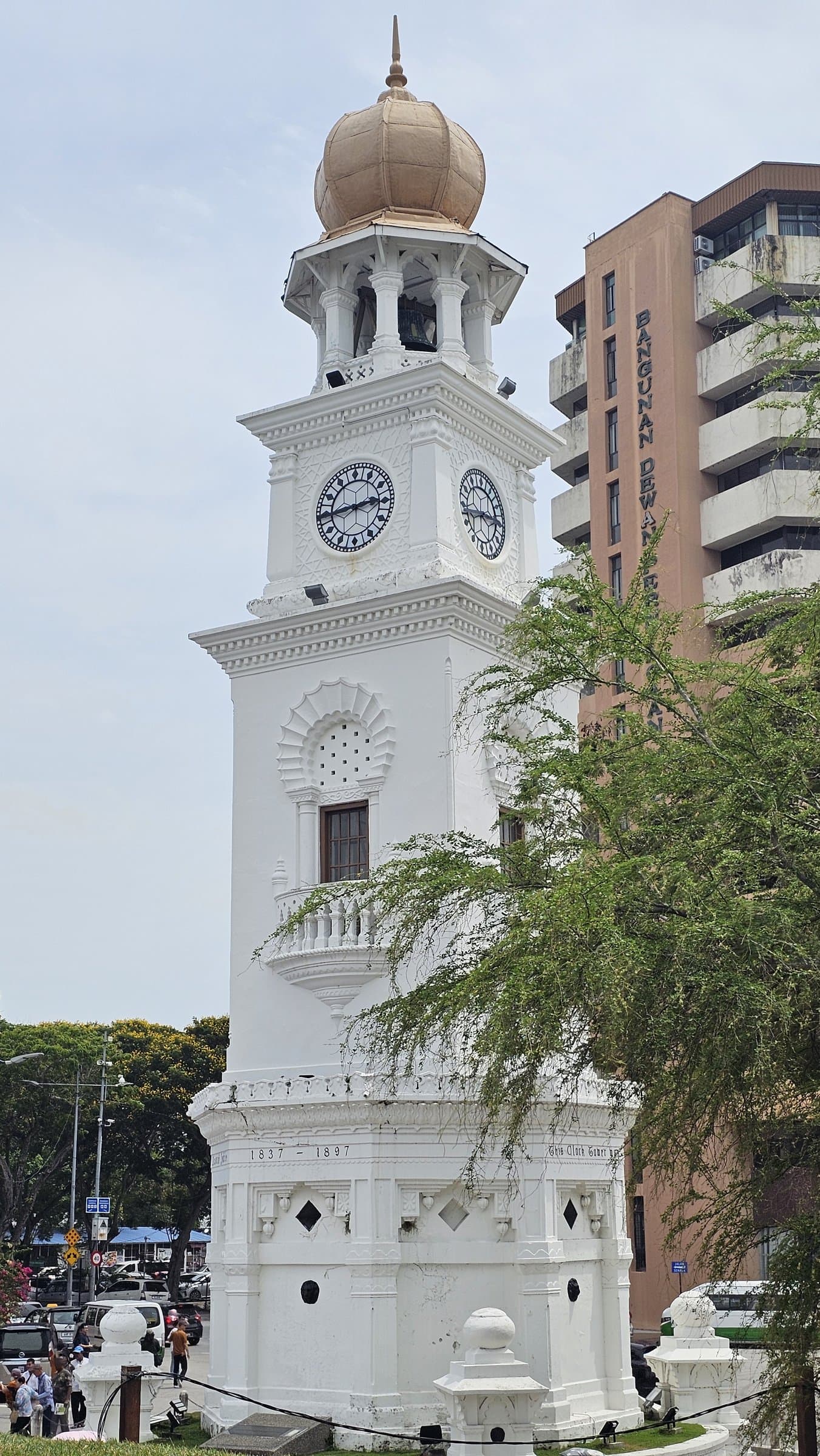
If you enjoy colonial architecture, round off the day with a stroll along the Esplanade Promenade — the Queen Victoria Memorial Clock Tower, City Hall, Town Hall, and Logan Mansion all line the route.
Day 2: Street Art, Harmony Street, Little India and the Clan Jetties
Street Art
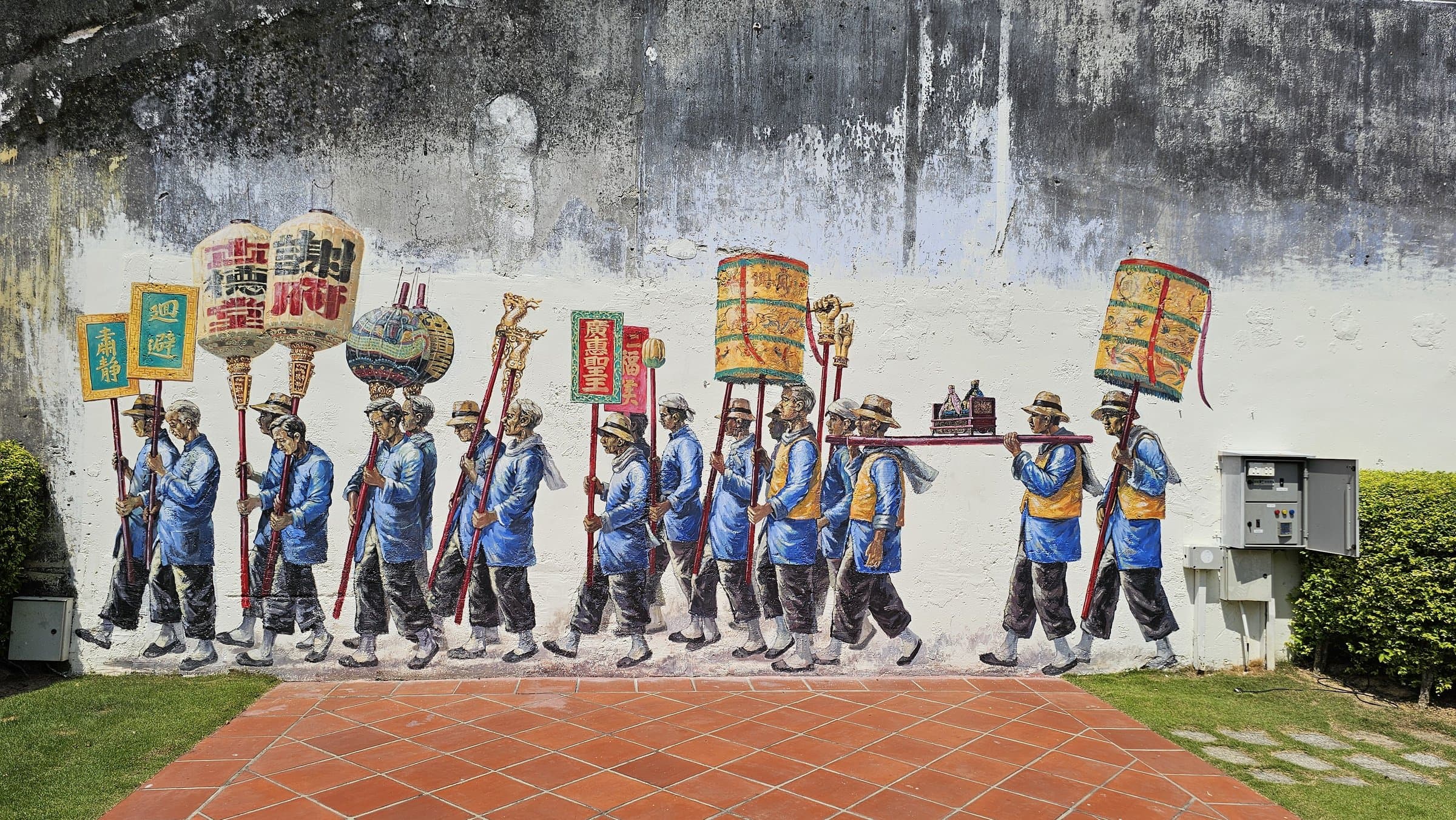
Penang has become famous for its street art thanks to Lithuanian artist Ernest Zacharevic. Commissioned for the 2012 George Town Festival, he created a series of six 3D-style murals across the city — and turned George Town into a hotspot on the Southeast Asia backpacker circuit.
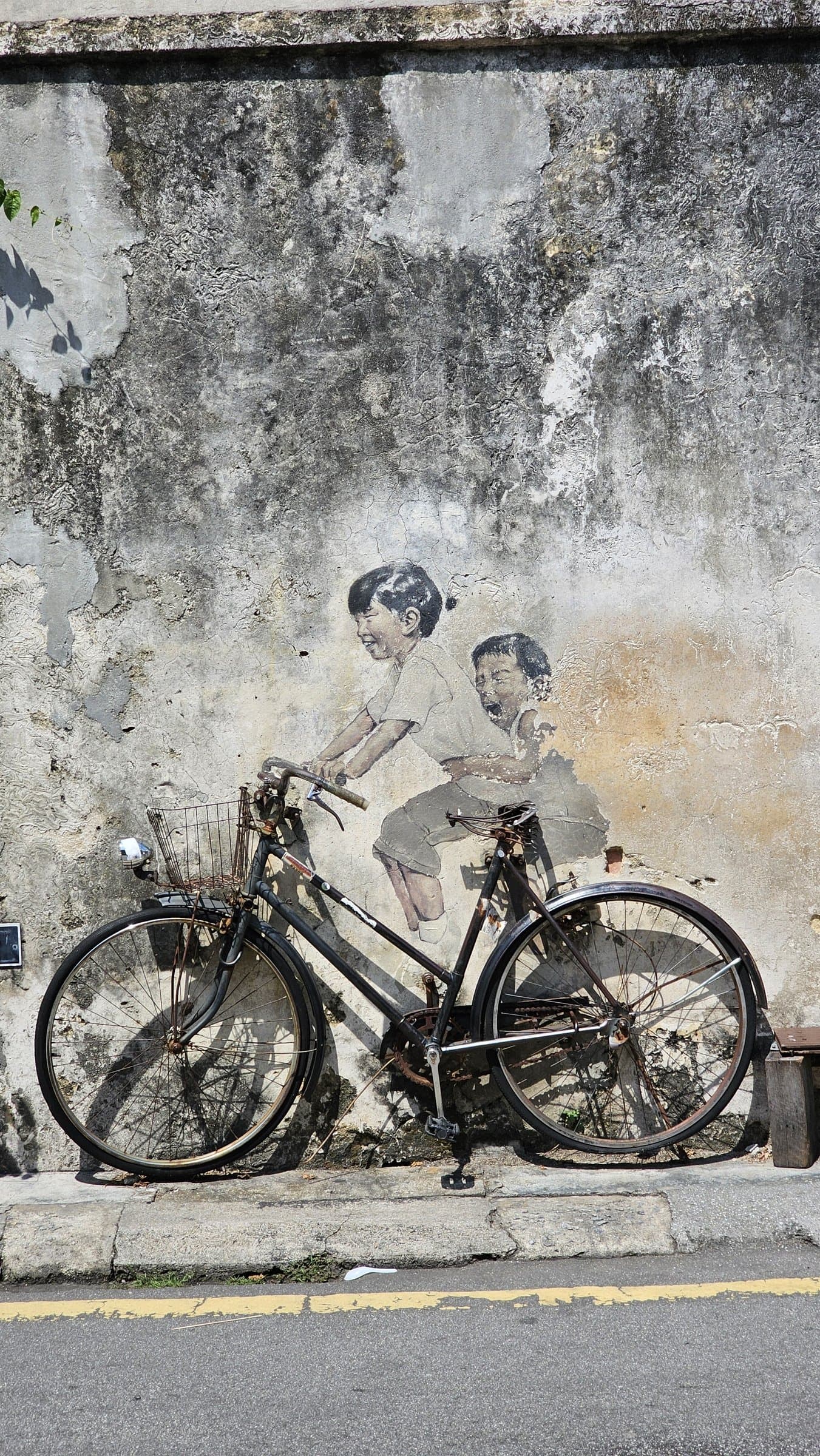
In the heritage centre, you'll also notice the "Marking George Town" steel-rod artworks: 52 sets of sculptures that reflect the character of each location through amusing caricatures of the city's history and immigrant communities. We particularly adored the depictions of cats.
Some of the murals worth seeking out on Lebuh Armenian, Lebuh Chulia, and Lebuh Ah Quee:
- Children on a Bicycle (Lebuh Armenian)
- Brother and Sister on a Swing (Lebuh Chulia)
- Boy on a Bike (Lebuh Ah Quee)
- Skippy the Giant Cat (Lebuh Armenian)
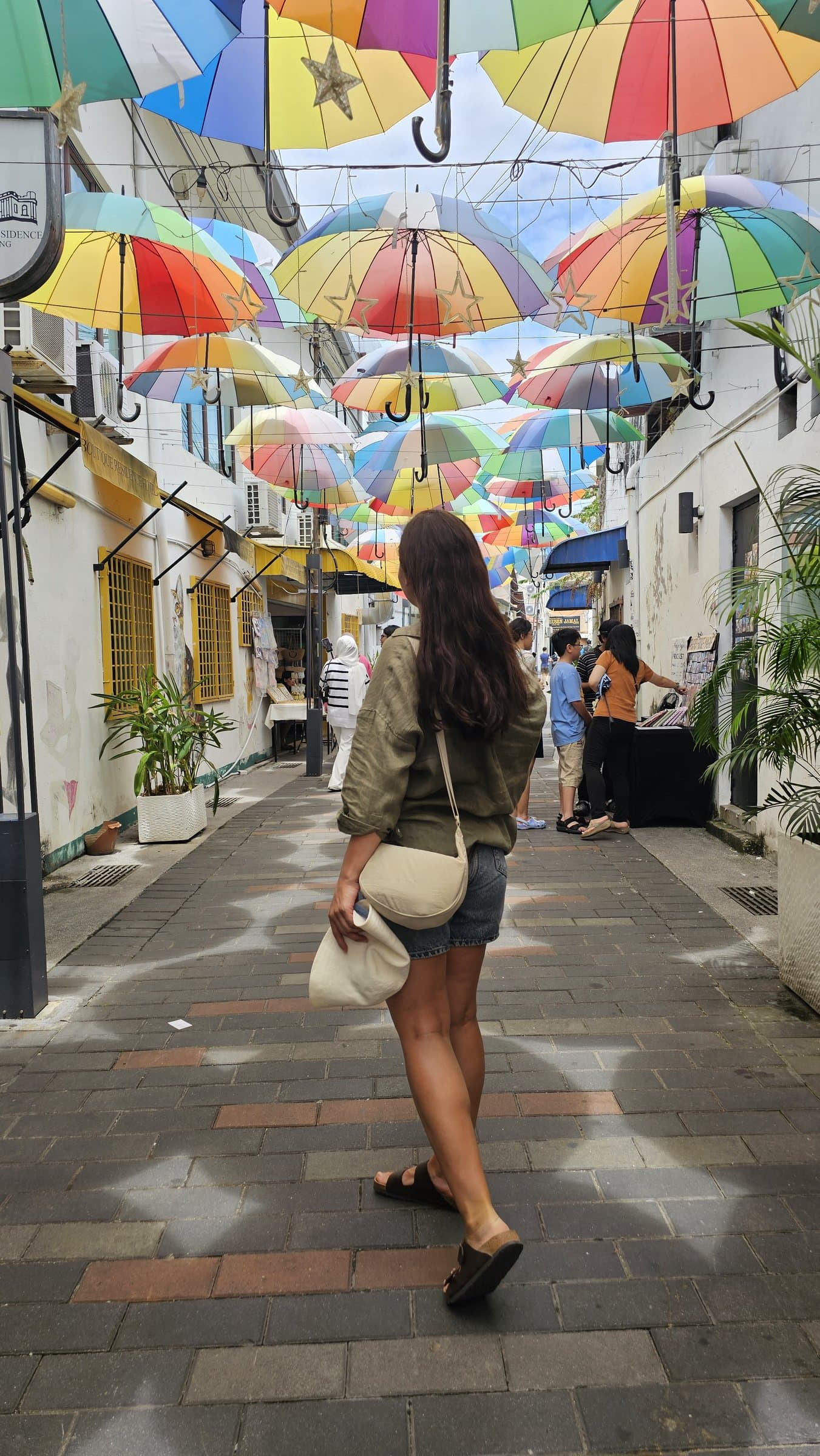
Harmony Street
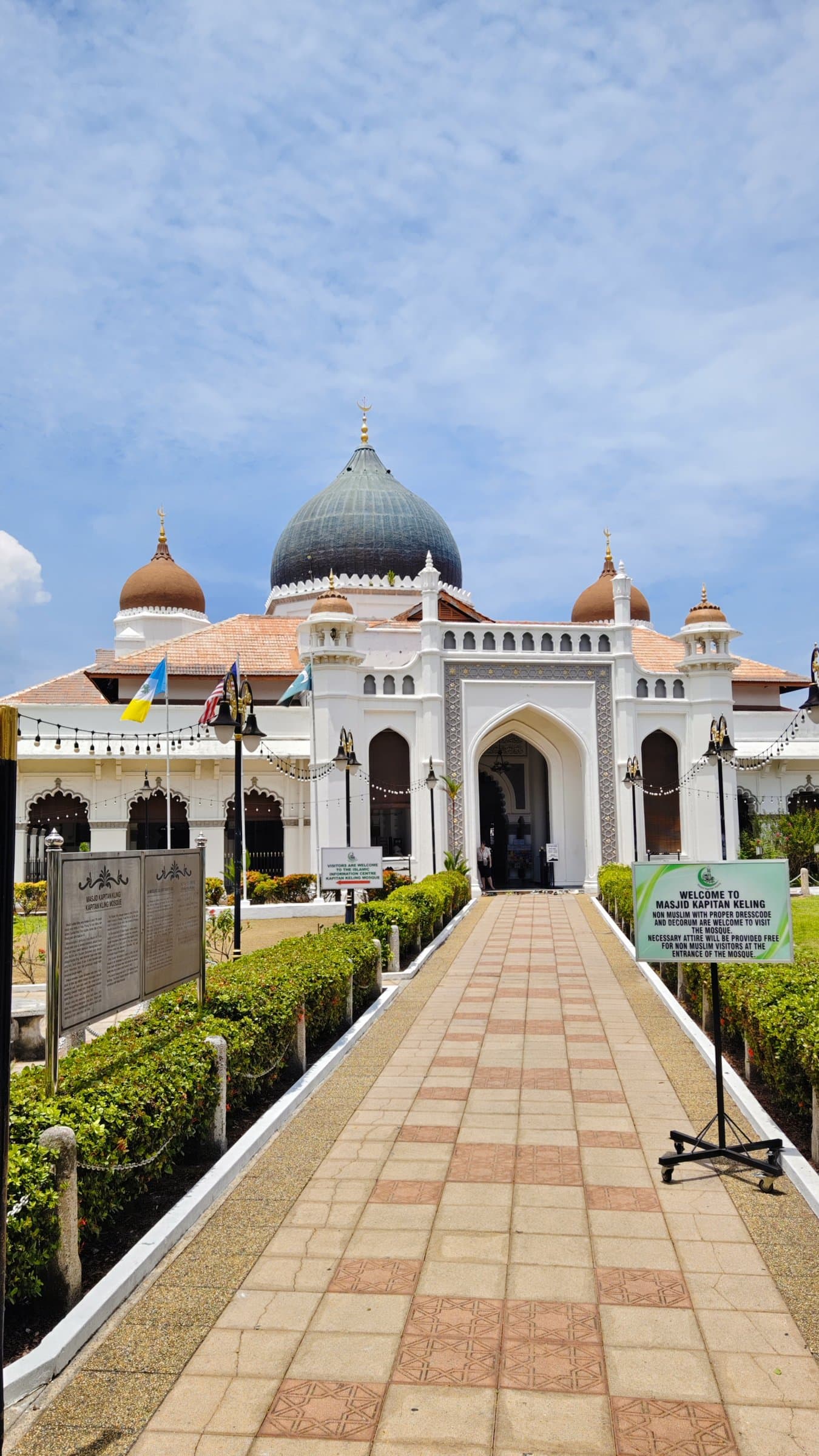
Formally known as Pitt Street, Harmony Street is unique: it features four different religious buildings within walking distance of each other — a church, a mosque, a Hindu temple, and a Taoist temple, all built in the 19th century by migrants from various places. It's considered a physical symbol of Malaysia's multiculturalism and religious tolerance.
The four sacred places are St. George's Church, Shri Mahamariamman Temple, Goddess of Mercy Temple, and Kapitan Keling Mosque.
Little India
Little India is a fascinating microcosm of Indian culture in Penang, where early Indian immigrants first settled. Today it's a bold, bright, colourful area with cafes, sari and fabric stores, fresh flower sellers with bright orange marigold garlands and pink lotus buds, ethnic jewellery stalls, food stalls full of fried snacks and colourful sweets, and temples. It's a feast for all the senses.
The Clan Jetties
The Penang clan jetties are unique settlements along the Weld Quay waterfront — long wooden piers extending into the harbour, home to Penang's Chinese immigrant community, who have preserved ancient Chinese traditions including Taoism.
Stroll from the street art down to Chew Jetty, the most popular: souvenir shops, drinks, and food line both sides of the wooden walkway, with a breathtaking view of the open sea and Penang Bridge at the far end.
If you'd prefer something less touristy, Lim Jetty is the answer. When we arrived, there were no shops or other visitors in sight — daily life going on undisturbed and unaffected by tourism.
Funny fact: To this day, residents of the jetties don't pay taxes, because they officially live at sea, not on land.
Day 3: Penang Hill at Sunrise, Kek Lok Si and Chinatown
You'll use Grab almost the entire day to get around — have the app ready on your phone.
Sunrise at Penang Hill — 6:30 AM funicular
Take the first funicular train of the day at 6:30 AM — the views from the last cabin are absolutely beautiful, and it's worth every early alarm. In fifteen minutes you reach the top, where it's often 5–6°C cooler than the base. At the summit, views stretch over George Town and the bridges connecting the island to the Malaysian mainland across the Strait of Malacca. Penang Hill also has several hiking trails leading to colonial bungalows — if you prefer, skip the funicular and hike all the way up.
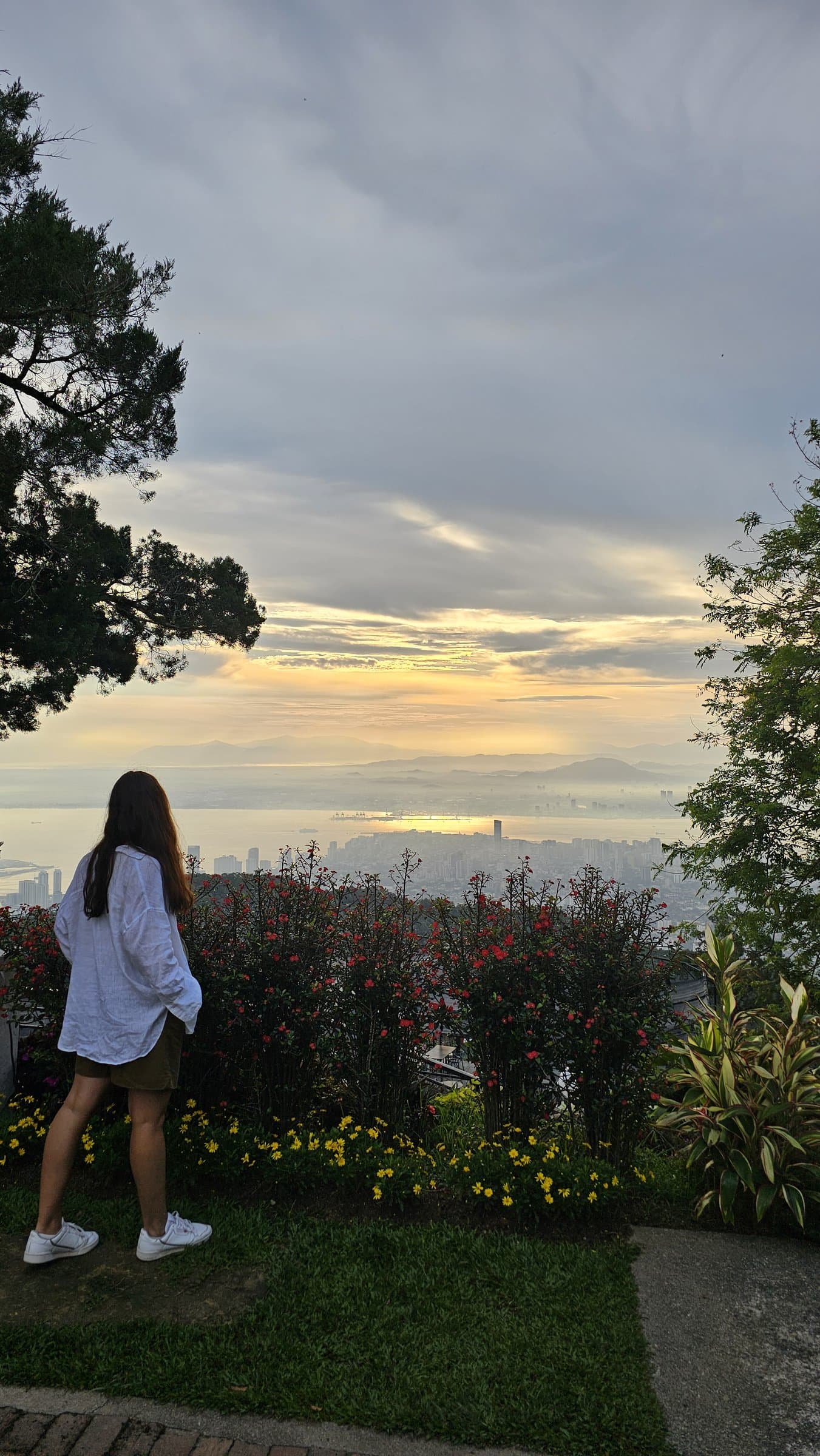
Practical details: Two-way funicular ticket: Normal Lane MYR 30 / Fast Lane MYR 80.
The Habitat Penang Hill — from 9 AM
Grab a coffee and explore the area until The Habitat Penang Hill opens at 9 AM. Declared a forest reserve in 1911, it sits within a 130-million-year-old rainforest with diverse flora and fauna — plants, insects, birds, reptiles, and mammals. Walk the nature trails, or book a zipline experience when you visit.
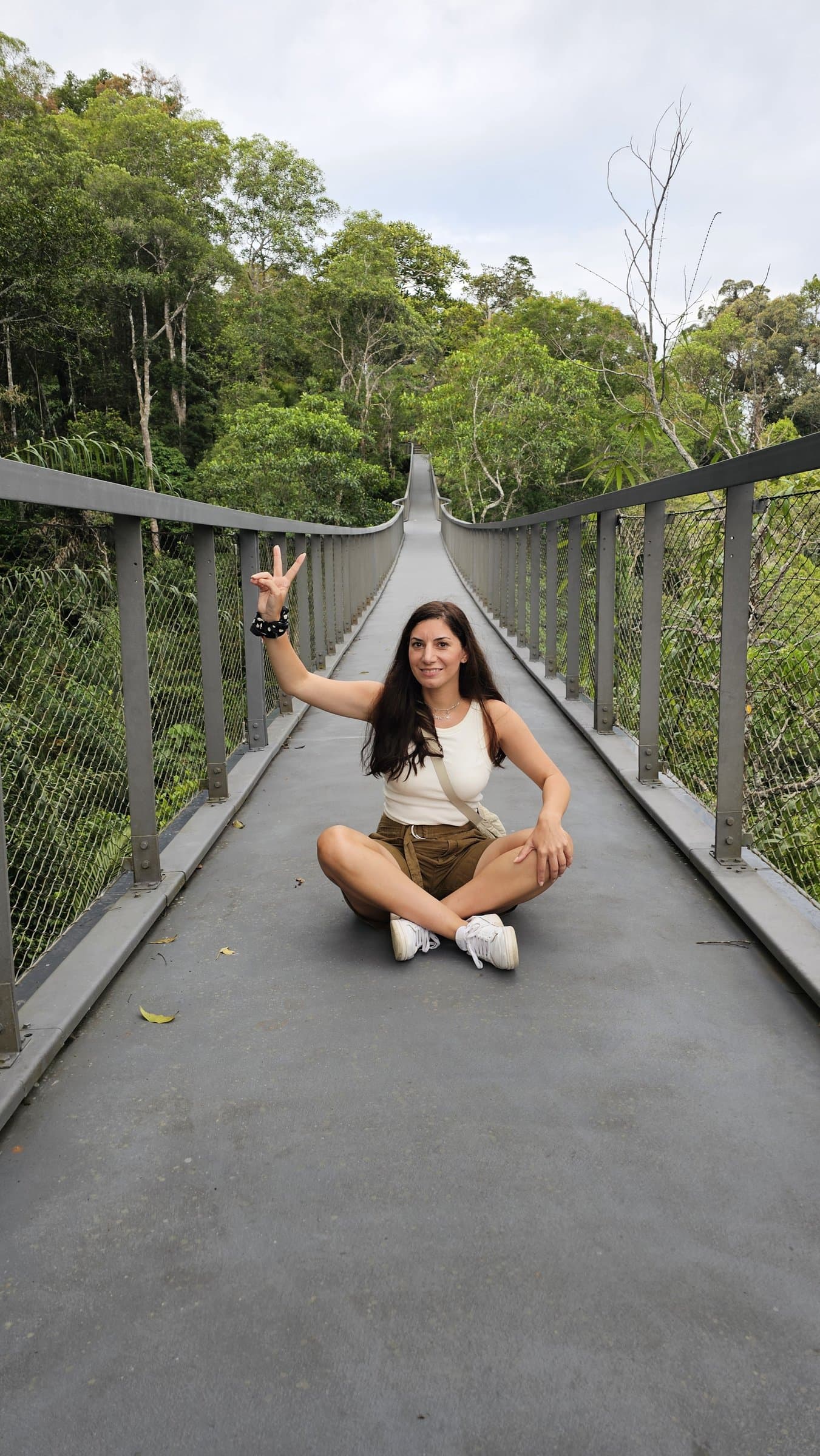
Practical details: Entrance fee: MYR 60.
Kek Lok Si Temple
Take a ride down to level 2 and grab transport to Kek Lok Si — the largest Buddhist temple in Malaysia. Despite being a popular tourist spot, it exudes a serene and peaceful atmosphere. Highlights include the giant pagoda adorned with 10,000 Buddha statues, the 30m bronze statue of the Goddess of Mercy, and panoramic views over Air Hitam town.
Practical details: Open daily 8:30 AM–5:30 PM. Entrance to the Giant Pagoda: MYR 2. Cable car: MYR 16 for all floors / MYR 6 for floors 3–4 only. Cash only.
Kongsis and Chinatown
A Kongsi is a building where Chinese families sharing the same surname or clan come together to honour their ancestors. George Town hosts several — the most impressive is the Leong San Tong Khoo Kongsi, completed in 1906 and regarded as one of the most exquisite Chinese clan temples outside China, with intricately carved stone pillars, sculptures of mythical creatures, and exquisite woodwork.
Practical details: Entrance: MYR 15. Open daily 9 AM–5 PM, including Sundays and public holidays. Cash only.
Chinatown is home to busy narrow streets lined with old shophouses, many with shops or restaurants on the lower levels. At night, hawker stalls serve cheap and delicious Chinese and Malay cuisine.
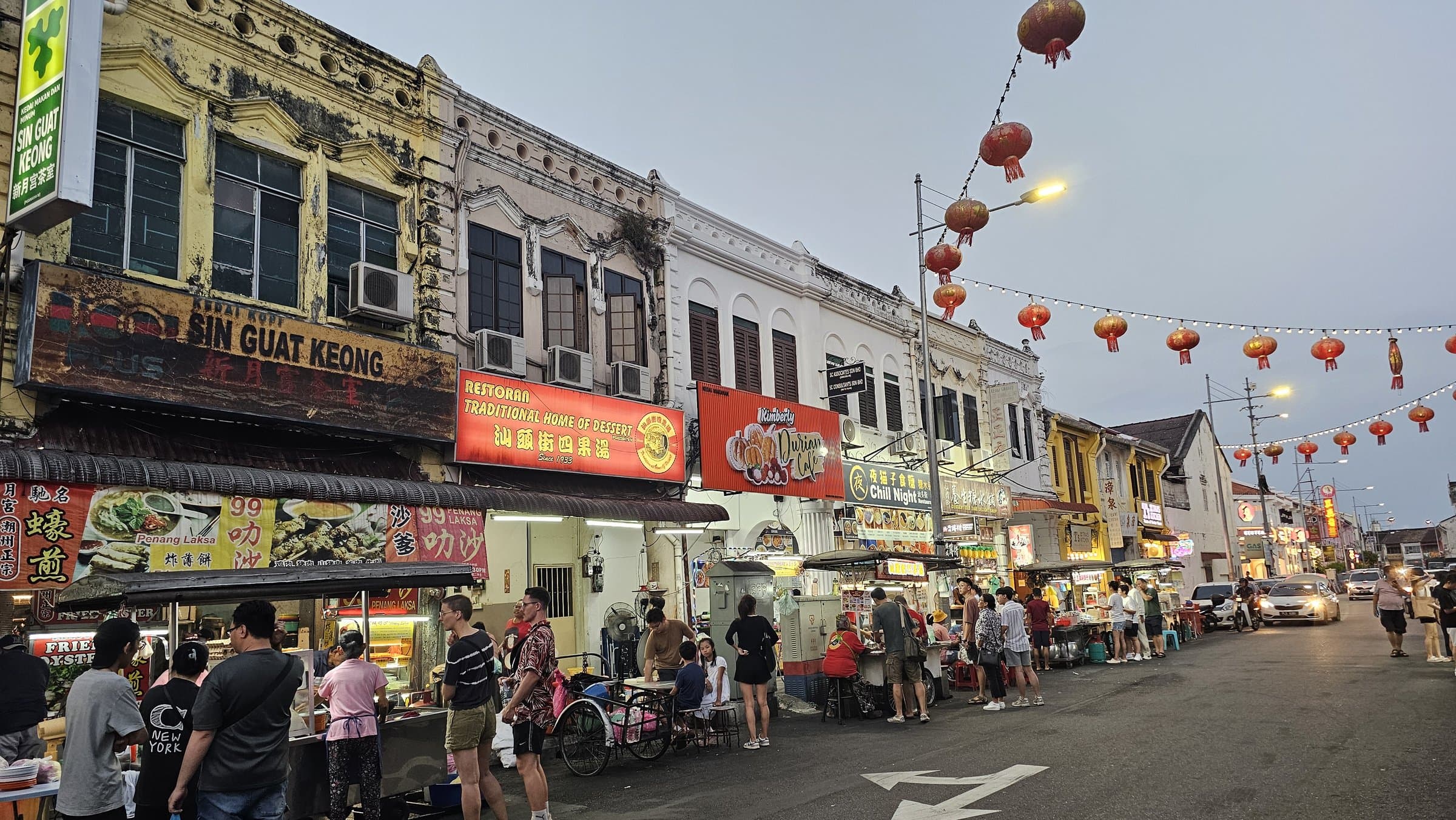
Finish the day at China House (still open, dessert café in the heritage quarter) for their wide variety of cakes — the tiramisu is a favourite, and the pecan tart is worth it too. Pricey by Penang standards, but worth it. Just across the street is Gerakbudaya, a bookstore with a superb collection of literature on Penang and Malaysia.
What to Eat in Penang
The food in Penang is a mix of Malay, Indian, and Chinese — it's a food paradise. Here's what to put on your list:
- Char Koay Teow
- Smoky stir-fried flat rice noodles with prawns and sausage
- Assam Laksa
- Tangy, spicy fish soup with tamarind and thick noodles
- Nasi Kandar
- Steamed rice topped with rich Indian-Muslim curries and sides
- Nasi Lemak
- Rice cooked in coconut milk, served with meat and cucumber
- Penang Hokkien Mee
- Prawn-based broth with egg noodles, vermicelli, and shrimp
- Roti Canai
- Flaky flatbread with curry dips
- Popiah
- Similar to fresh spring rolls
- Cendol
- Shaved ice dessert with pandan jelly, coconut milk, palm sugar
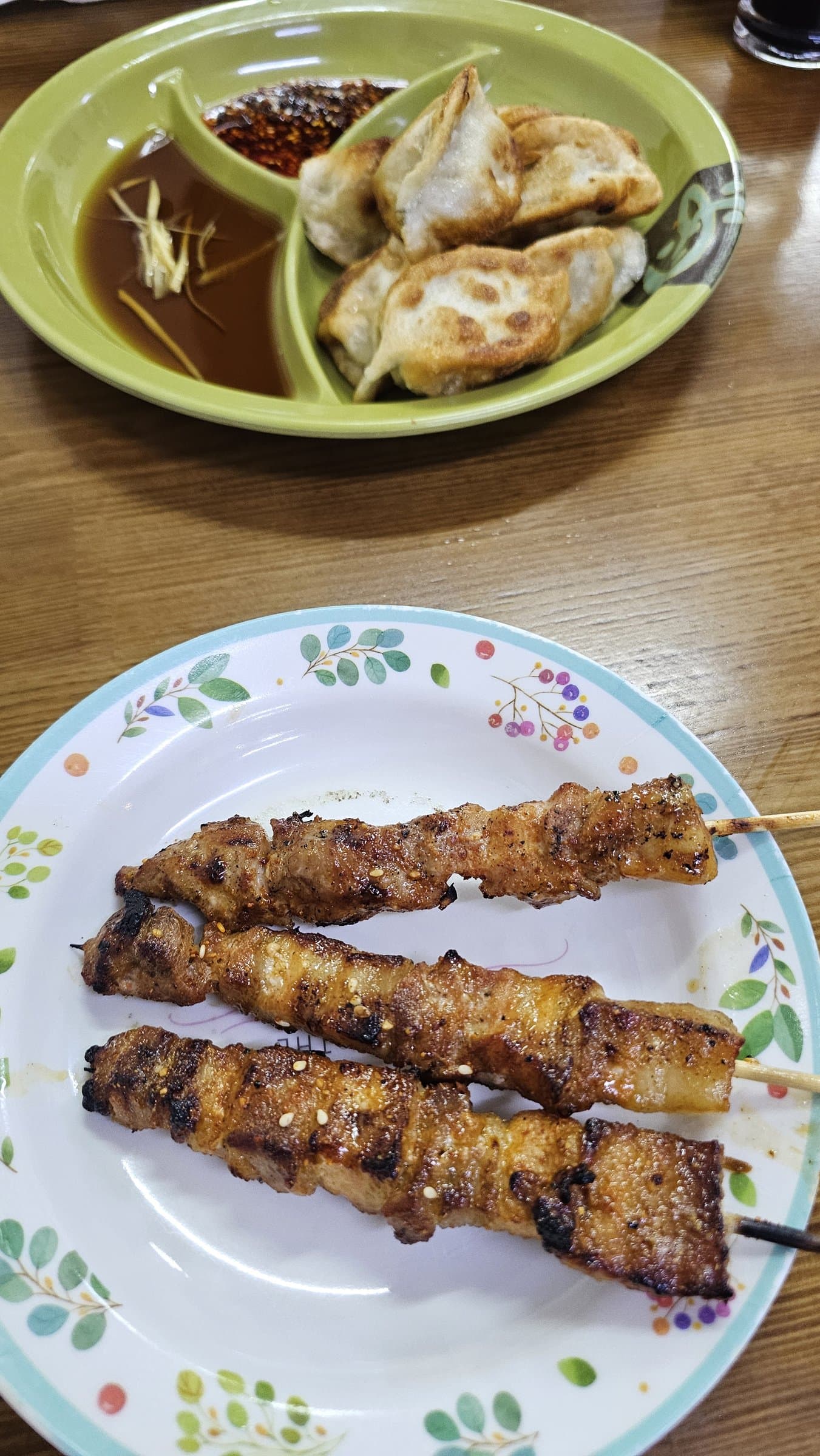
A couple of places worth seeking out: Lum Lai Duck Koay Teow Th'ng (still serving duck noodle soup) for an absolutely phenomenal duck soup, and Penang Road Famous Laksa (still serving assam laksa) for a sour, spicy bowl where every ingredient earns its place.
More Time in Penang?
If you have extra days, here's what to add to the itinerary:
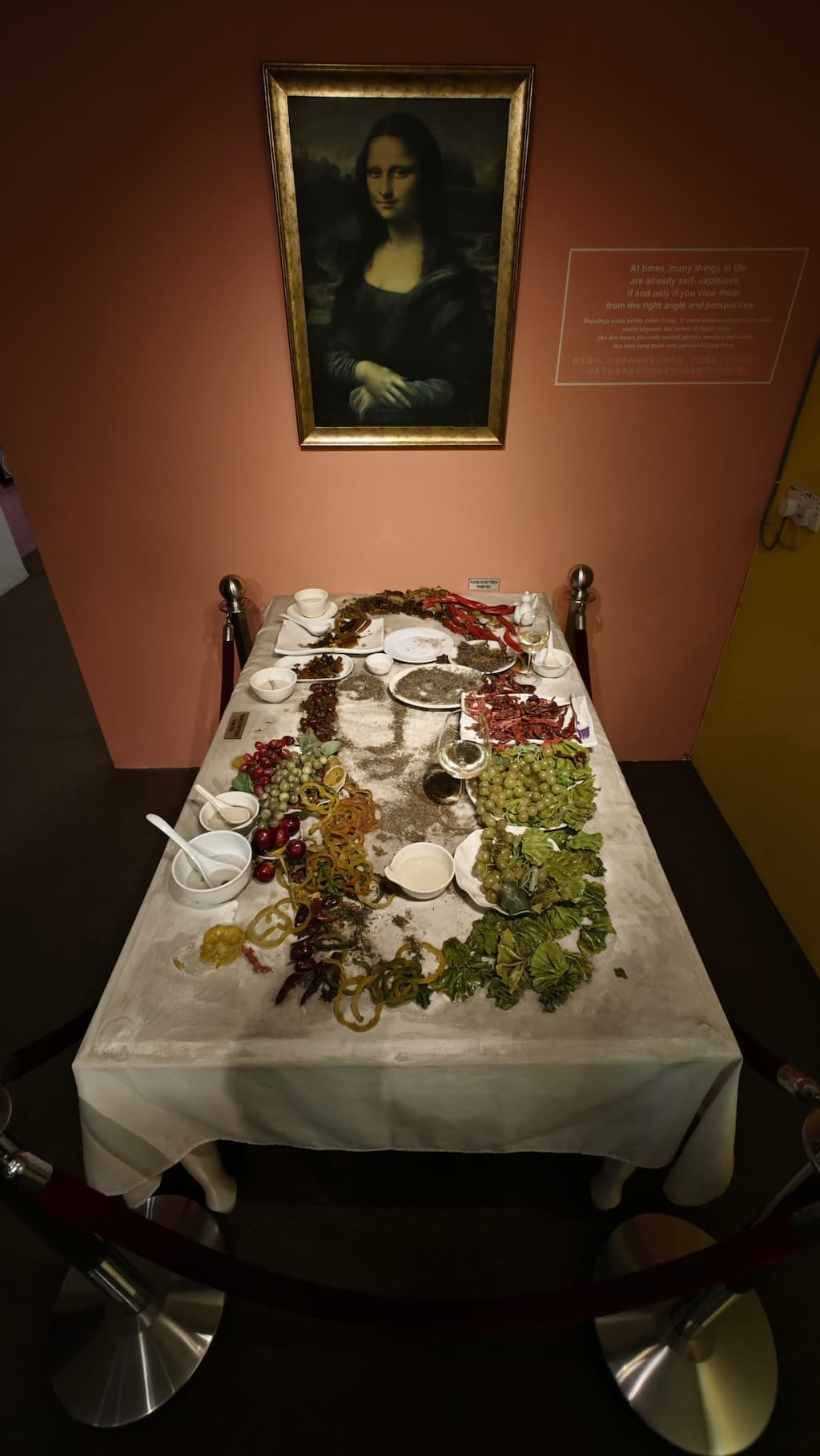
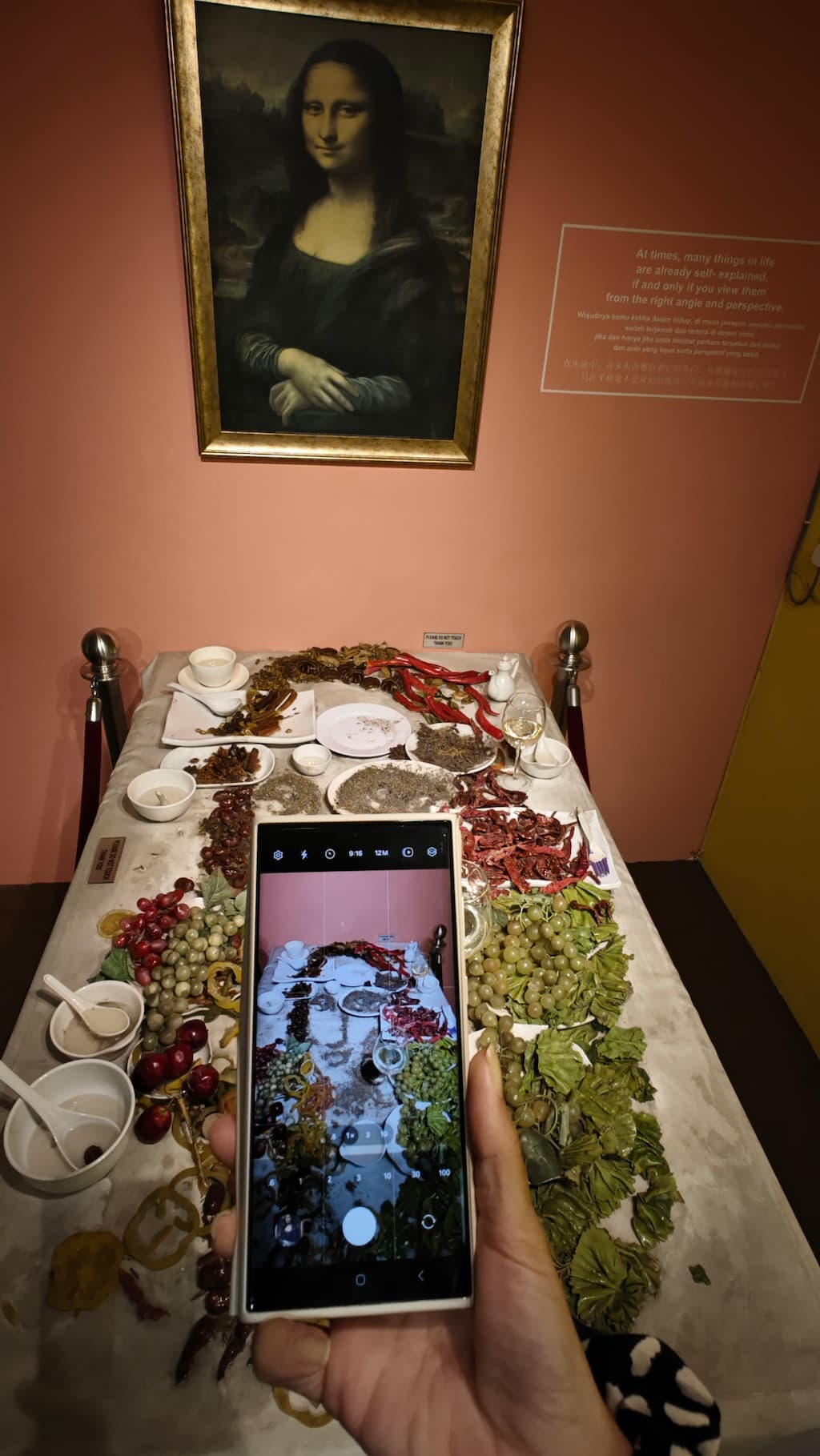
- Novelty museums: the Upside Down Museum, Wonderfood Museum, or the 3D Trick Art Museum for a fun afternoon.
- Views and drinks: dine at a restaurant on the summit of Penang Hill, or at a rooftop restaurant in the newer part of town — the 360 Revolving Restaurant and Skybar are classics for city views.
- Hiking: Penang National Park has two trails leading to Monkey Beach and Turtle Beach. Dense tropical conditions mean an early start and plenty of water.
- The beach: Batu Ferringhi Beach offers excellent restaurants, nightlife, and beautiful sunsets, alongside the Tropical Spice Garden.
- Balik Pulau: the lesser-known settlement offers a closer look at local daily life, away from the tourist circuit.
Exploring George Town's UNESCO-certified city centre alone can easily fill three days. The lesser-known rainforests in the northwest and central parts of the island add excellent hiking for anyone with more time.
George Town is a strong anchor for a longer Malaysia trip — it pairs naturally with the Malaysia hub and sits well in an Asia itinerary alongside the dramatic landscapes of Zhangjiajie in China or the layered city experience of Hong Kong. If hiking is part of your trip, South Korea's Hallasan on Jeju is the kind of contrast that works well bookended with a few slow days in a heritage city like this one.
FAQ
Is 3 days enough for George Town?
Three days covers the heritage core well — the mansions, street art, clan jetties, and the Penang Hill–Kek Lok Si loop. But George Town rewards lingering: a week gives you time for day trips across the island, market mornings, and the slower pleasures of wandering alleys and finding a good bookshop. If three days is all you have, the itinerary above gets you the highlights without feeling rushed.
Is George Town walkable?
The heritage quarter is compact and very walkable — most Day 1 and Day 2 stops are within a short walk or cheap Grab ride of each other. Penang Hill and Kek Lok Si on Day 3 require transport, but the funicular handles the main climb. Grab works well across the island for anything that's too far to walk.
When is the best time to visit Penang?
Penang is a year-round destination. December to February tends to be drier and cooler on the northwest coast where George Town sits. The main monsoon affects the northwest coast between May and October with occasional heavy rain, though it rarely stops travel. The George Town Festival in July is a great reason to visit — expect extra street art installations and cultural events.
Do you need to pre-book anything in Penang?
The Blue Mansion tours run at fixed times (11 AM and 2 PM) — tickets are worth reserving in advance if you're visiting during peak times. For Penang Hill, the funicular can get busy on weekends, and the Fast Lane ticket is worth it if you're on a tight schedule. No other major pre-booking is required for this itinerary.