Is Penang Worth Visiting? 20 Best Things to Do in Penang
Sunrise above a sea of mist on Penang Hill, cake at China House, kittens painted on a shophouse wall: twenty reasons Penang earns its place on your Malaysia route.
Is Penang worth visiting? Short answer: yes. I'd go back tomorrow. This small island manages to fit a UNESCO-listed old town, some of the best street food in Southeast Asia, a 130-million-year-old rainforest, white-sand beaches, and Malaysia's largest Buddhist temple into a place you can cross in under an hour.
The long answer is this list. We spent our days in Penang riding the funicular at dawn and eating our way down Kimberley Street, and these are the twenty things I'd tell a friend not to miss, sorted by mood: nature, food, heritage, art, and one for the suitcase.
If you're planning the city part of the trip in detail, my 3-day George Town itinerary walks you through the heritage core day by day; this post is the island-wide picture. More from the country on our Malaysia page.
3 days for George Town · 4–5 to see the island
Dry, low humidity, clear skies — best for exploring the UNESCO core on foot.
Warm, humid, less crowded; start early to beat the heat. (I went in March — hot & humid!)
Brief afternoon downpours, fewer crowds — great for budget travellers.
Wettest months — monsoon season.
Don't miss — Sunrise (or sunset) from the top of Penang Hill
Every spot below is pinned here. Zoom in on George Town for the walkable ones:
The 20 Best Things to Do in Penang — All on One Map
Nature & Outdoors
1. Penang Hill
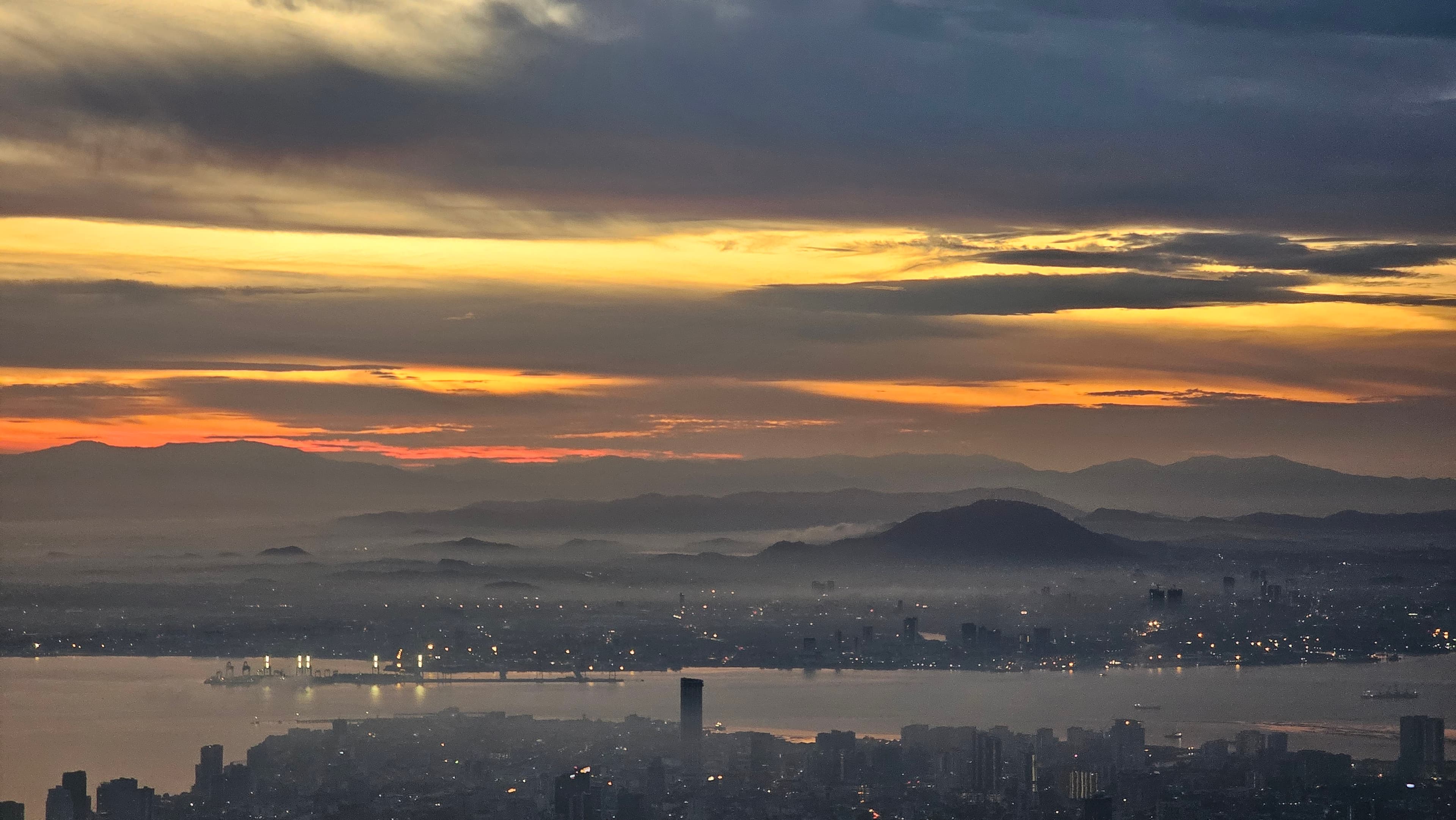
Start with the classic. Penang Hill is the oldest hill station in Southeast Asia, and the ride up, in a steep, ear-popping funicular, is half the fun. From the top, George Town shrinks into a maze of red roofs, with the strait and the mainland hills stacked behind it. You can hike up instead if you want to earn the view.
The hilltop is more than a viewing platform: once you're up, there's The Habitat jungle reserve (more on that next), a temple and a mosque, walking trails, a bird sanctuary, and a zipline over the forest.
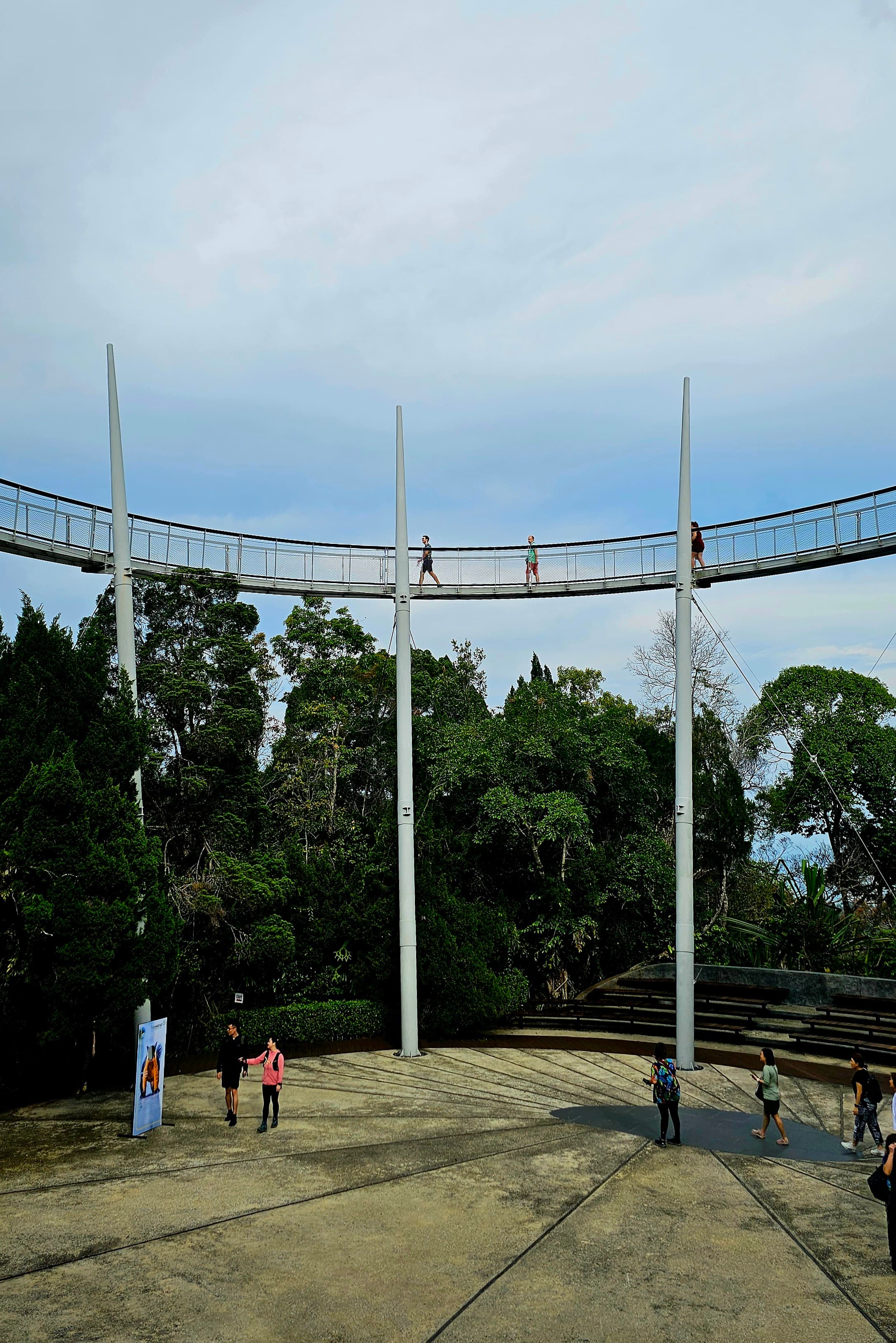
2. The Habitat, Penang Hill
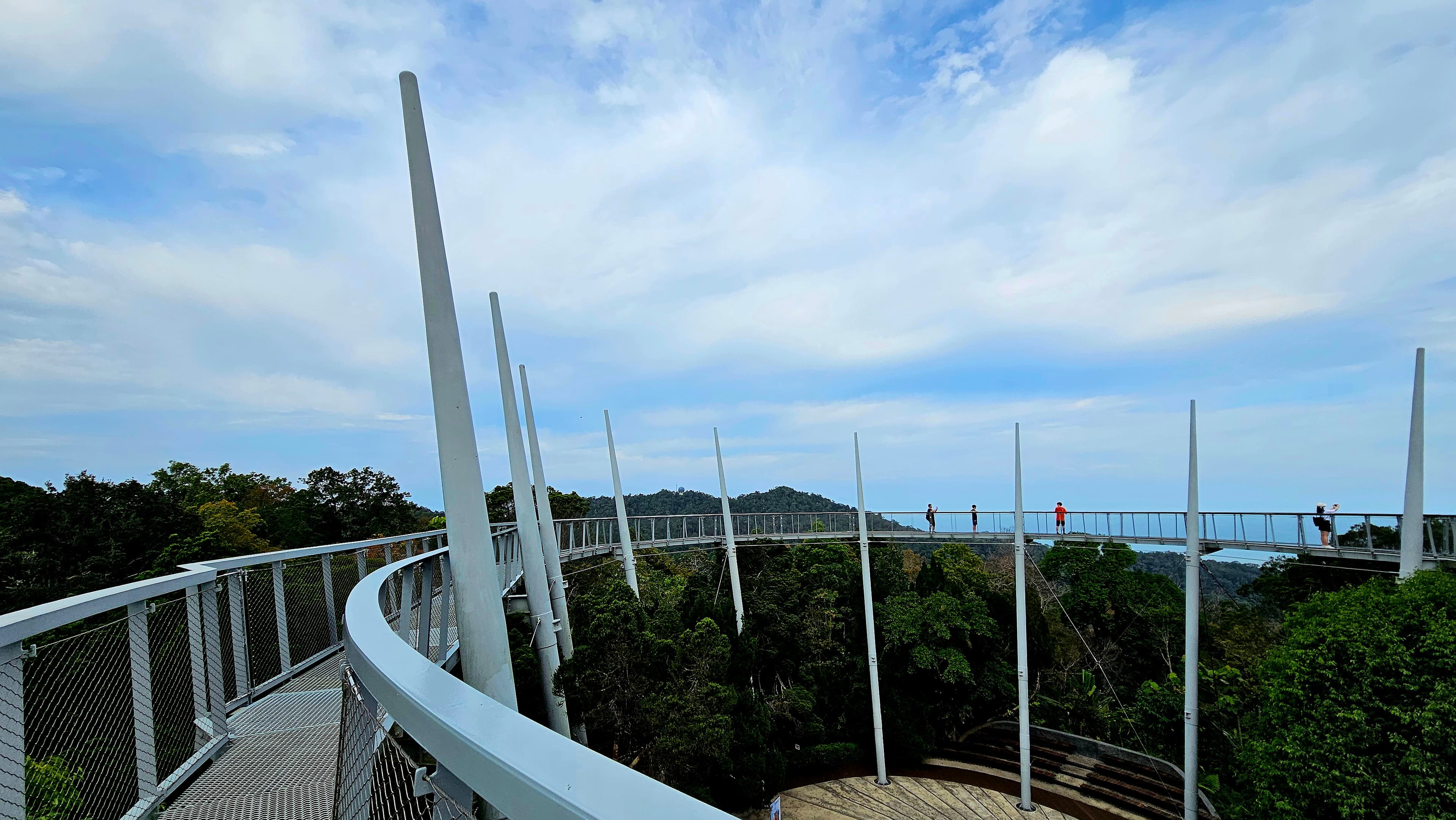
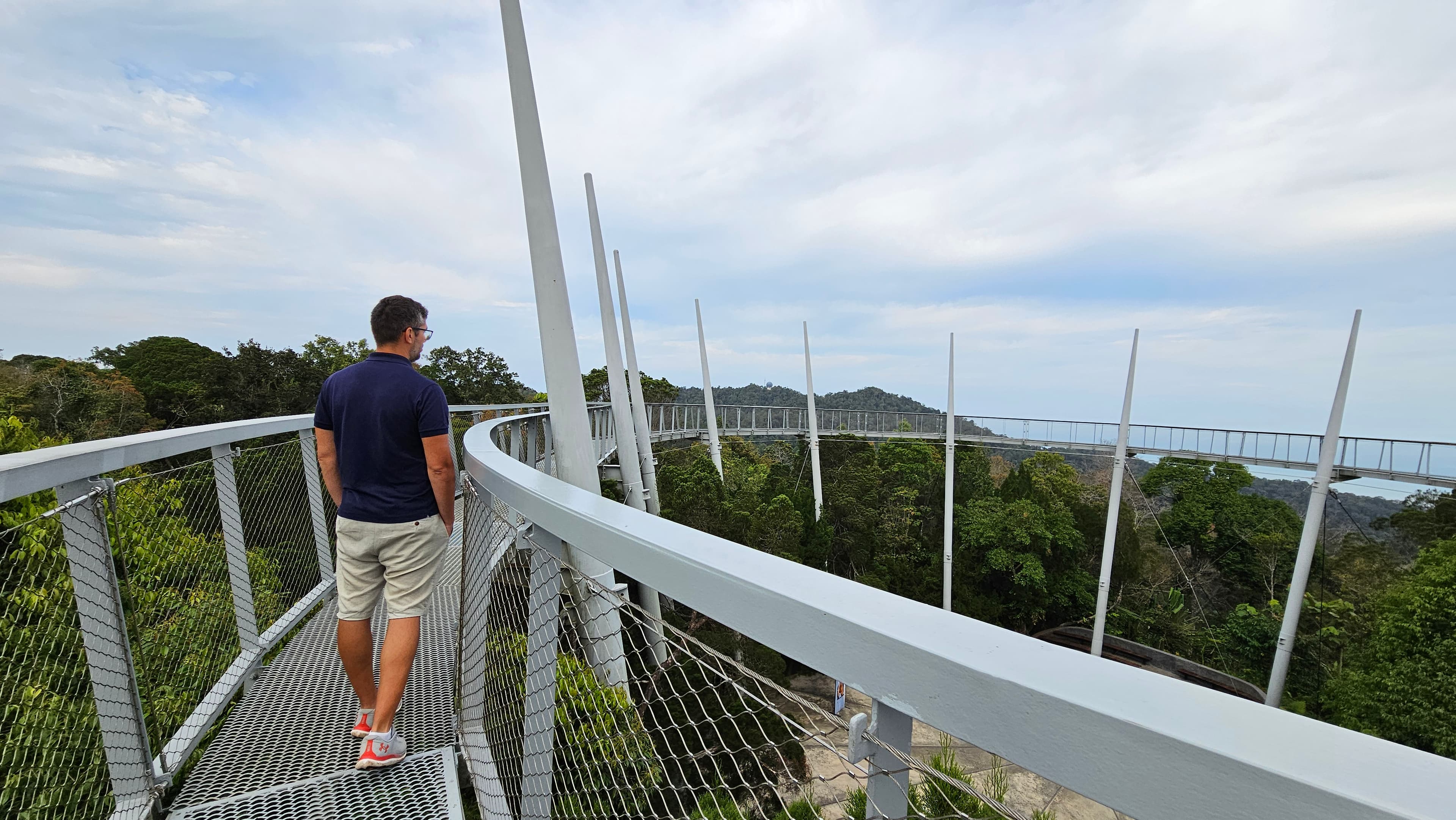
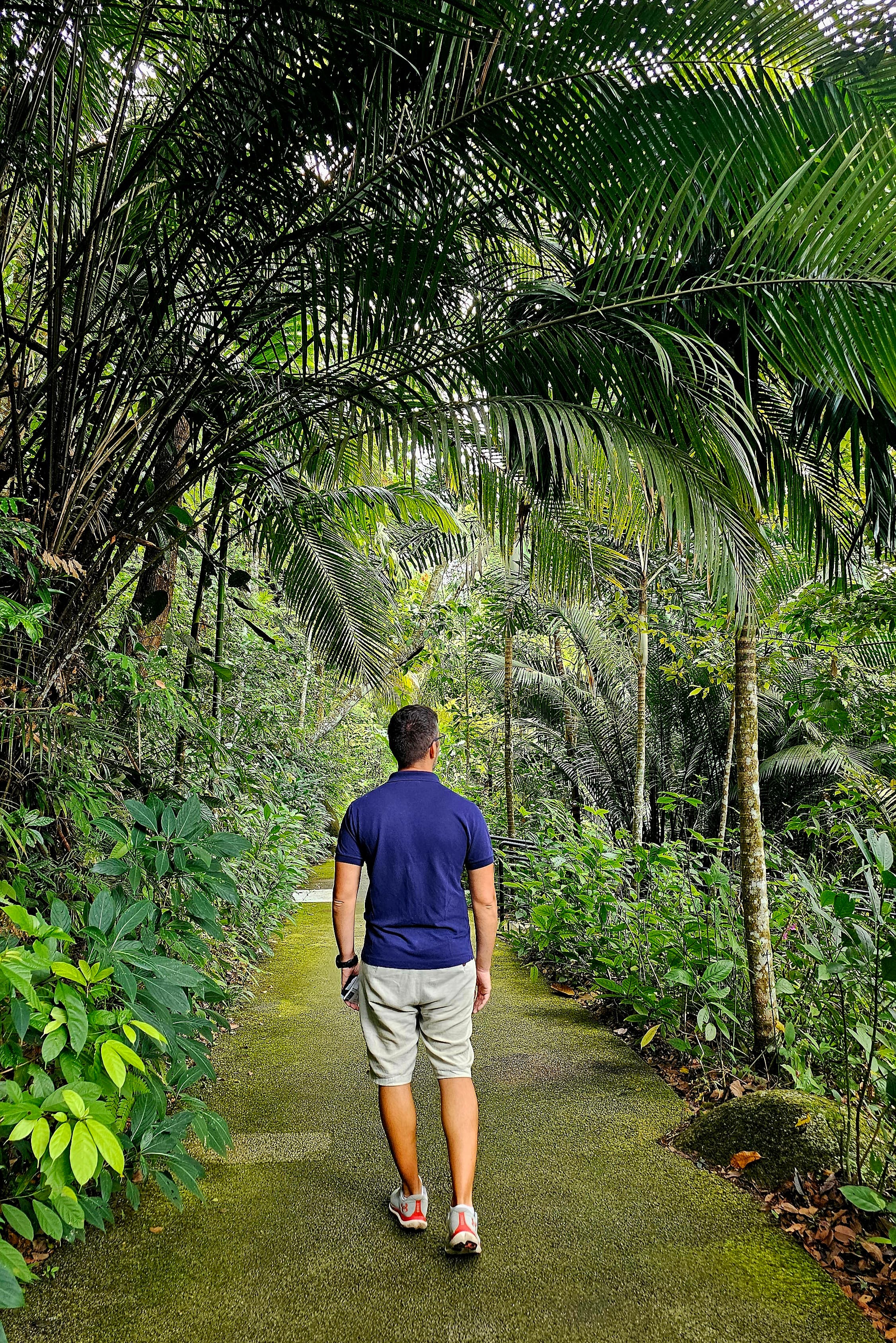
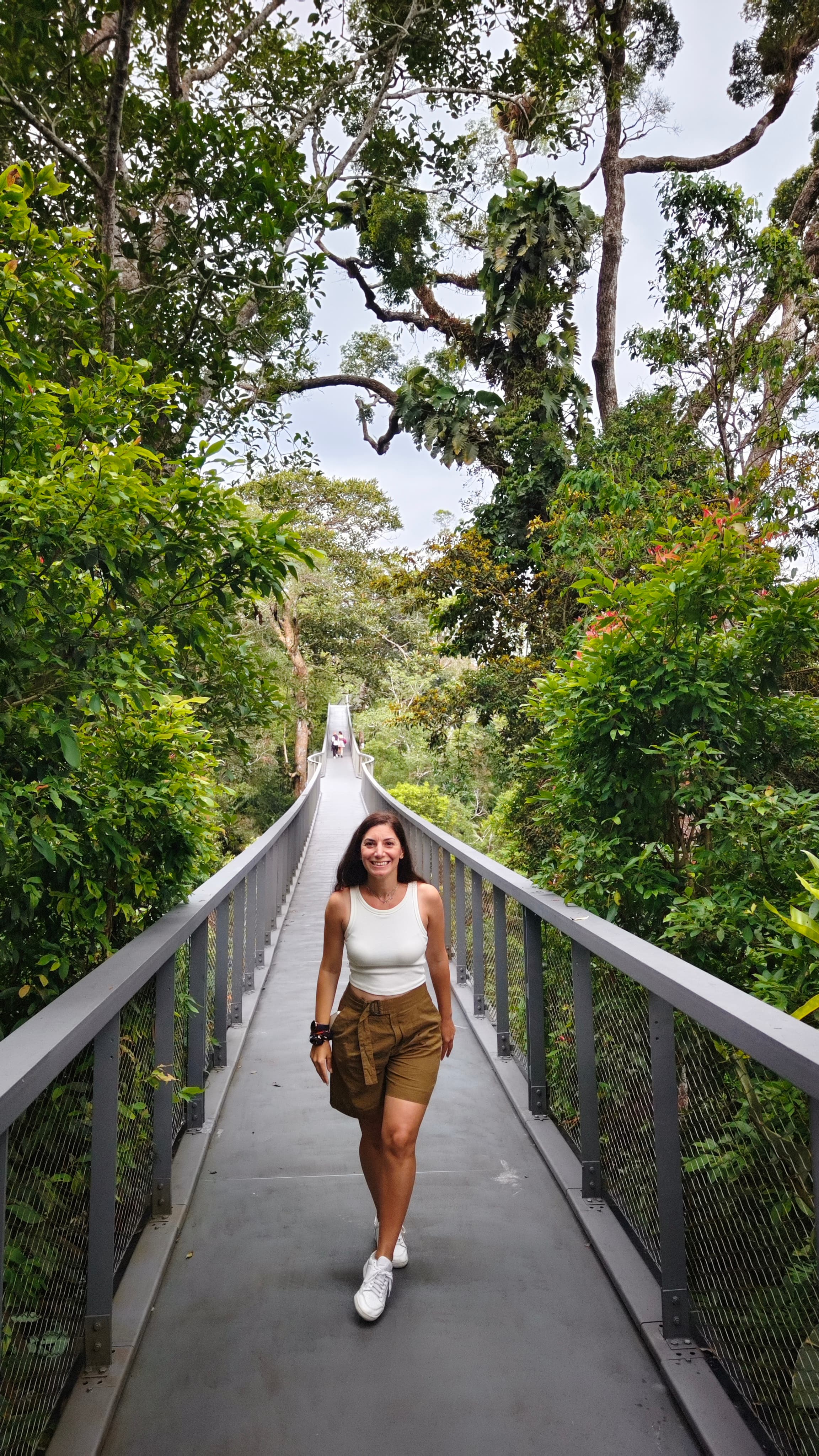
Declared a forest reserve in 1911, The Habitat sits inside a rainforest that has been growing for 130 million years. It's the easiest way I know to get deep into old jungle without breaking a sweat: short nature trails, a treetop canopy walk that curls out over the valley, and more plants, birds, insects, and reptiles than you'll manage to point at. There's a VR experience if you want it, and a zipline if you'd rather see the rainforest at speed.
3. Hike in Penang National Park
In the island's northwest corner, Penang National Park packs rainforest, empty beaches, a lighthouse, and a turtle sanctuary into one very doable day trip. Three main trails fan out from the entrance.
The one I'd point you to: the jungle trek to Pantai Kerachut, better known as Turtle Beach, about two hours through proper rainforest. At the far end you'll find the Turtle Conservation Centre (free to enter) and the Meromictic Lake, a rare lake with two layers of water that don't mix: freshwater sitting on top of seawater. The Turtle Beach trek is linear, so most people boat back. Book the return boat at the park entrance before you start hiking: RM 100 per boat. That's per boat, not per person, so it gets cheap in a group.
4. Batu Ferringhi: beach by day, night market after dark
Batu Ferringhi, on the island's north coast, is Penang's beach: a long sandy stretch with water sports if you want them and beach bars if you don't. It's an easy half-day of doing very little, and the sunsets are hard to beat.
Stay for the evening. From 7 PM the Batu Ferringhi Night Market opens daily, running a full kilometre of stalls: jerseys, souvenirs, sling bags, keychains, jewellery, watches, and everything in between. Half the fun is the browsing.
5. Escape theme park
Every trip needs one slightly ridiculous day, and Escape is Penang's: an outdoor adventure park built into the greenery, with ziplines, rope courses, and free-fall jumps instead of rollercoasters.
The move is to do the "dry" half of the park first, then spend the second half of the day on the water side. Water shoes are a must. Pack them or buy them, but don't skip them.
The Food
6. Go on a guided food tour
Penang's food is the single biggest reason people fly here, and the signature dishes read like a greatest-hits album: Penang-style char kway teow, assam laksa, lok lok, oyster omelette, curry mee. You can absolutely hunt the hawker stalls on your own, but a good guide gets you to the versions locals queue for, with the stories behind them. We'd point you to the lunch and dinner itineraries by Heritage On A Plate.
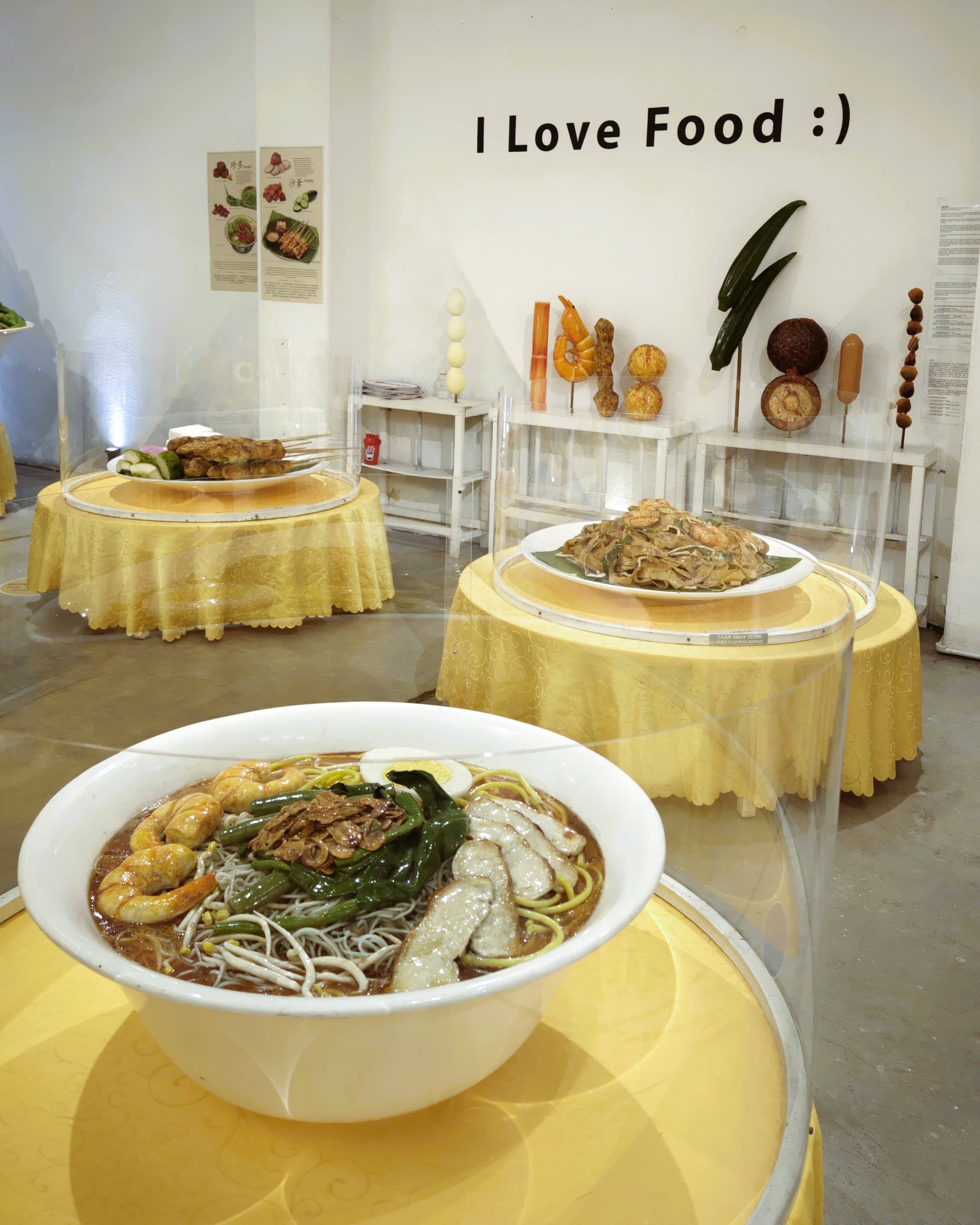
7. The Wonderfood Museum
Food matters so much in Malaysia that Penang built a museum about it. The Wonderfood Museum tells the story of the island's street food with giant, wildly colourful replica dishes. It's interactive, genuinely funny in places, and more educational than it looks, covering food in Malaysian culture and tradition plus detours like the world's most expensive dishes. Two floors, but small; an hour is plenty. Great with kids.
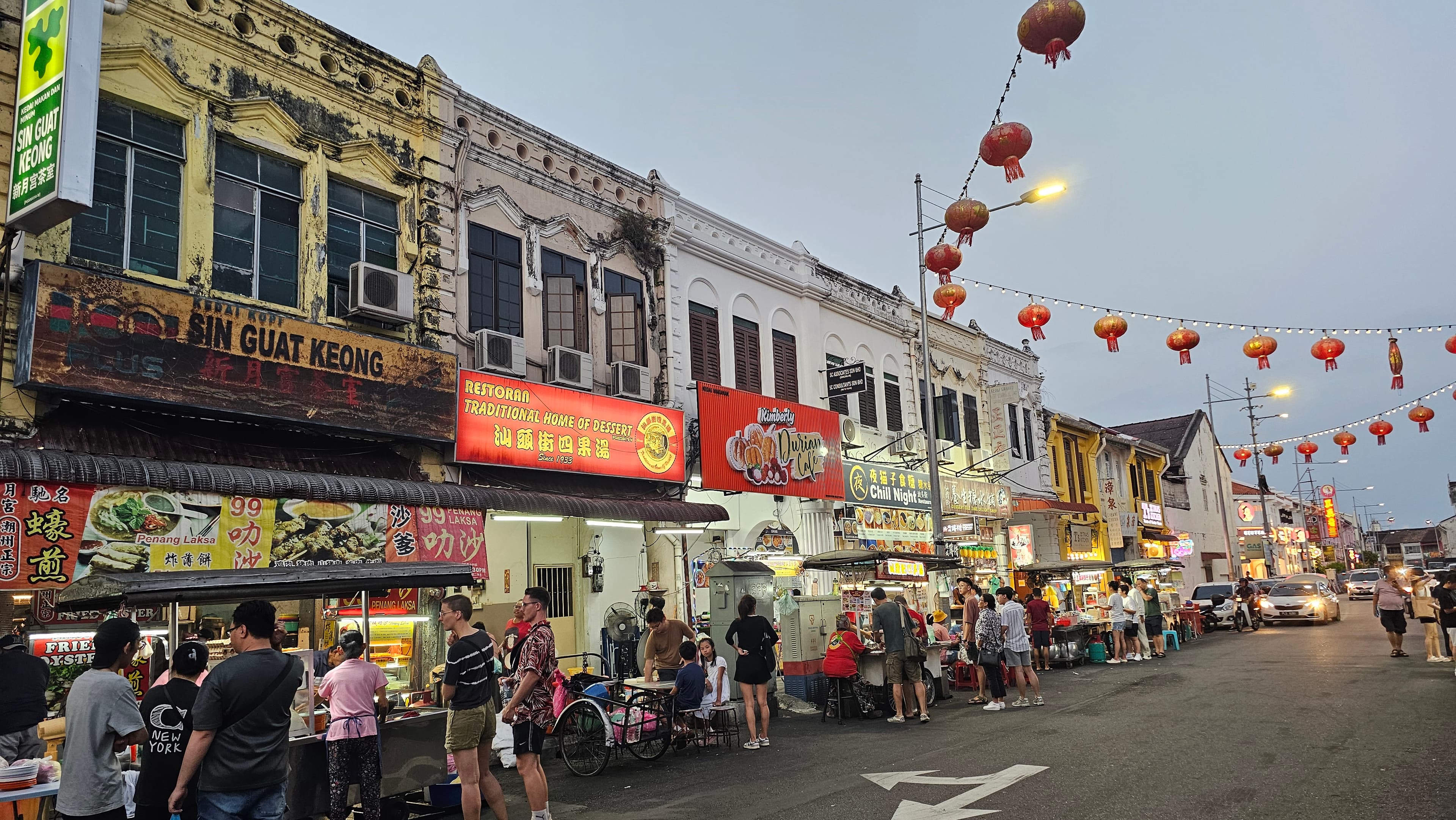
8. Kimberley Street Food Night
Between Rope Walk and Cintra Street, Kimberley Street turns into one long open-air dinner every evening. The crowd starts building in the late afternoon, so come hungry and eat your way through belachan fried chicken, fried oysters, pig innards if you're feeling brave, and sweet soups to finish. My personal favourite is still the koay teow soup, especially after 9 PM, when it somehow tastes even better.
The street is famous for four standout hawker dishes in particular:
- Duck porridge & kway chap — the stall people cross town for
- Sky Emperor chicken feet — a local legend; trust the queue
- Koay teow soup — my pick, somehow even better at 9 PM
- Chicken meat koay teow soup — the gentler cousin, just as good
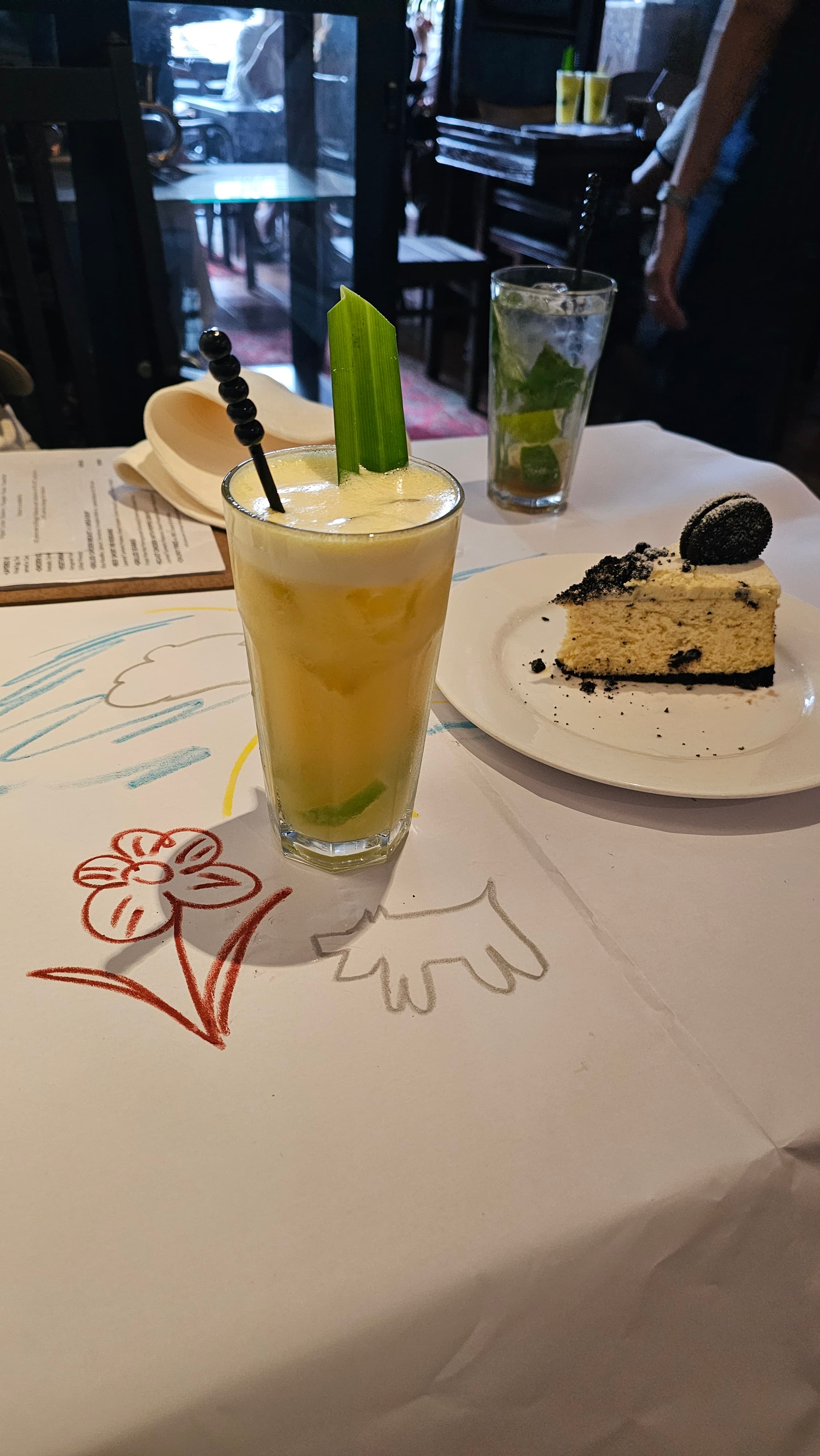
9. Cake at China House
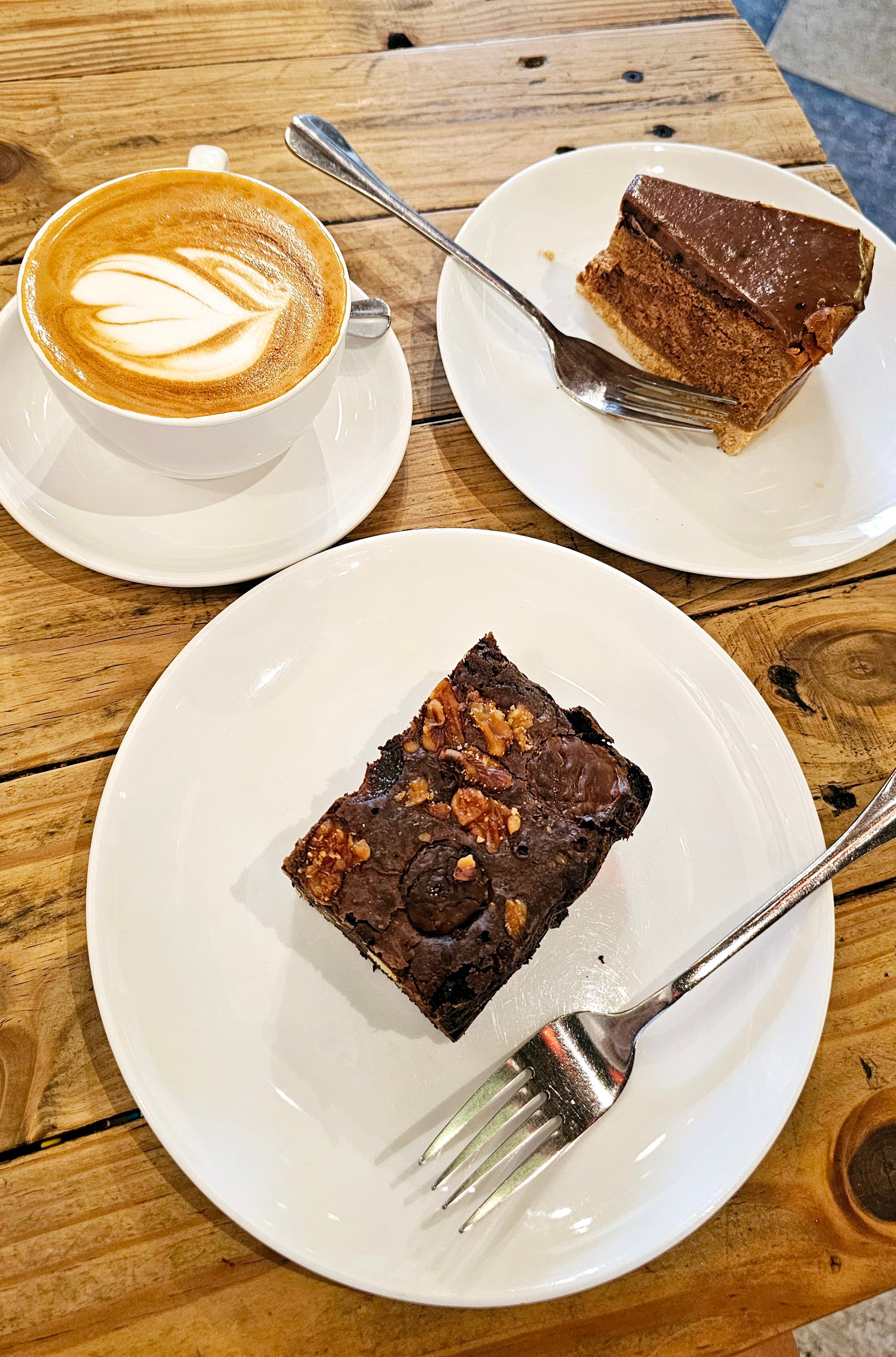
China House is a Penang institution: a long, rambling space on Beach Street with a cake counter that stops people mid-sentence. The salted caramel cheesecake is the one everyone talks about, the tiramisu has its own fan club, and we can vouch for the pecan tart. It's pricey by Malaysian standards, but worth it.
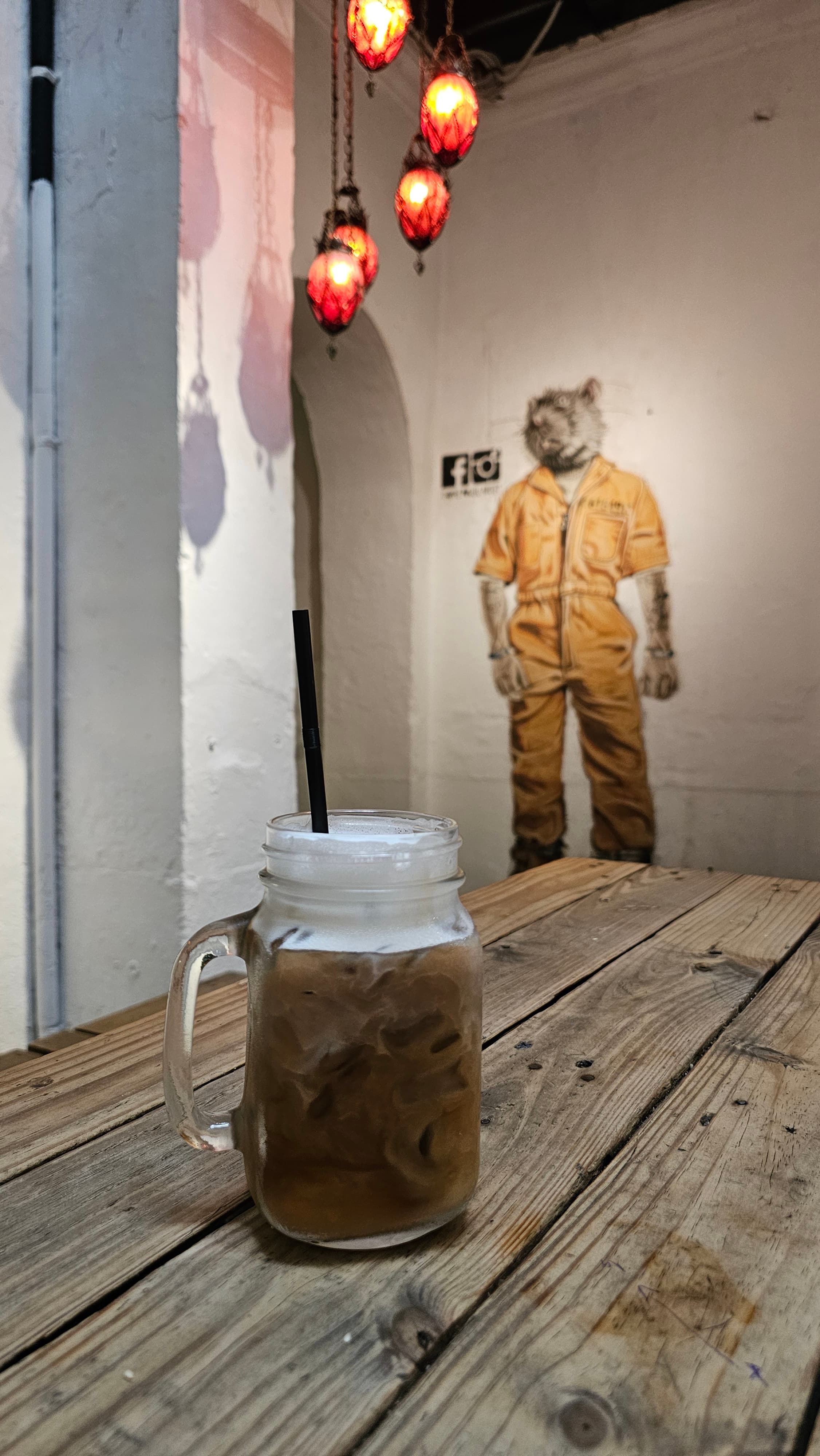
10. Sink into the coffee culture
George Town's café scene deserves its own afternoon. The old shophouses hide some genuinely lovely coffee rooms; our favourites were Mugshot Cafe, The Alley, The Wheeler's, and Secawan Hutton. Order a flat white and watch the street go by through an old shutter.
Heritage & Architecture
Step out of the cafés and George Town becomes a living museum, with Muslim, Chinese, Indian, and colonial histories layered street over street. These are the four stops that tell that story best.
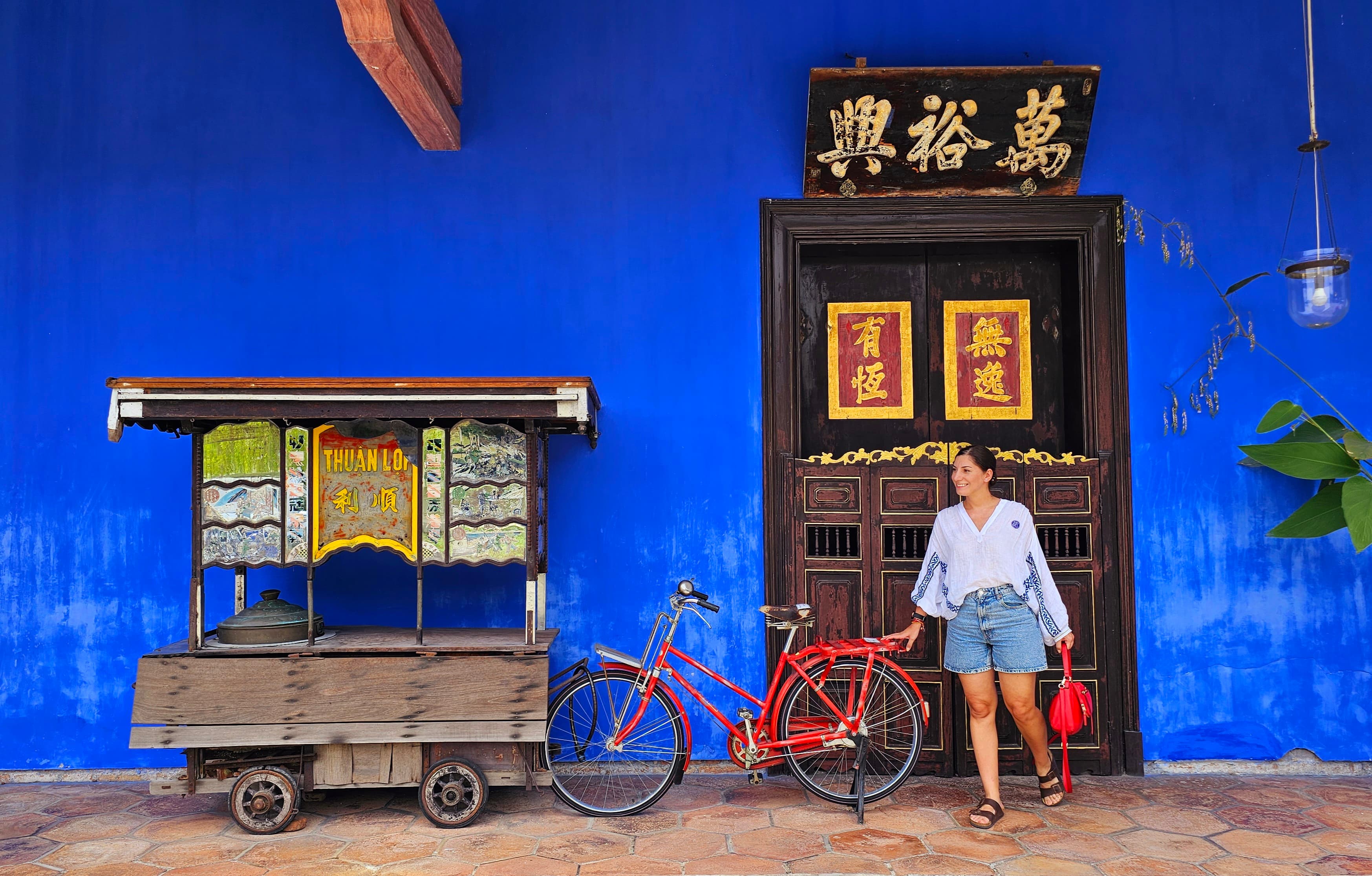
11. Tour the Cheong Fatt Tze Mansion (the Blue Mansion)
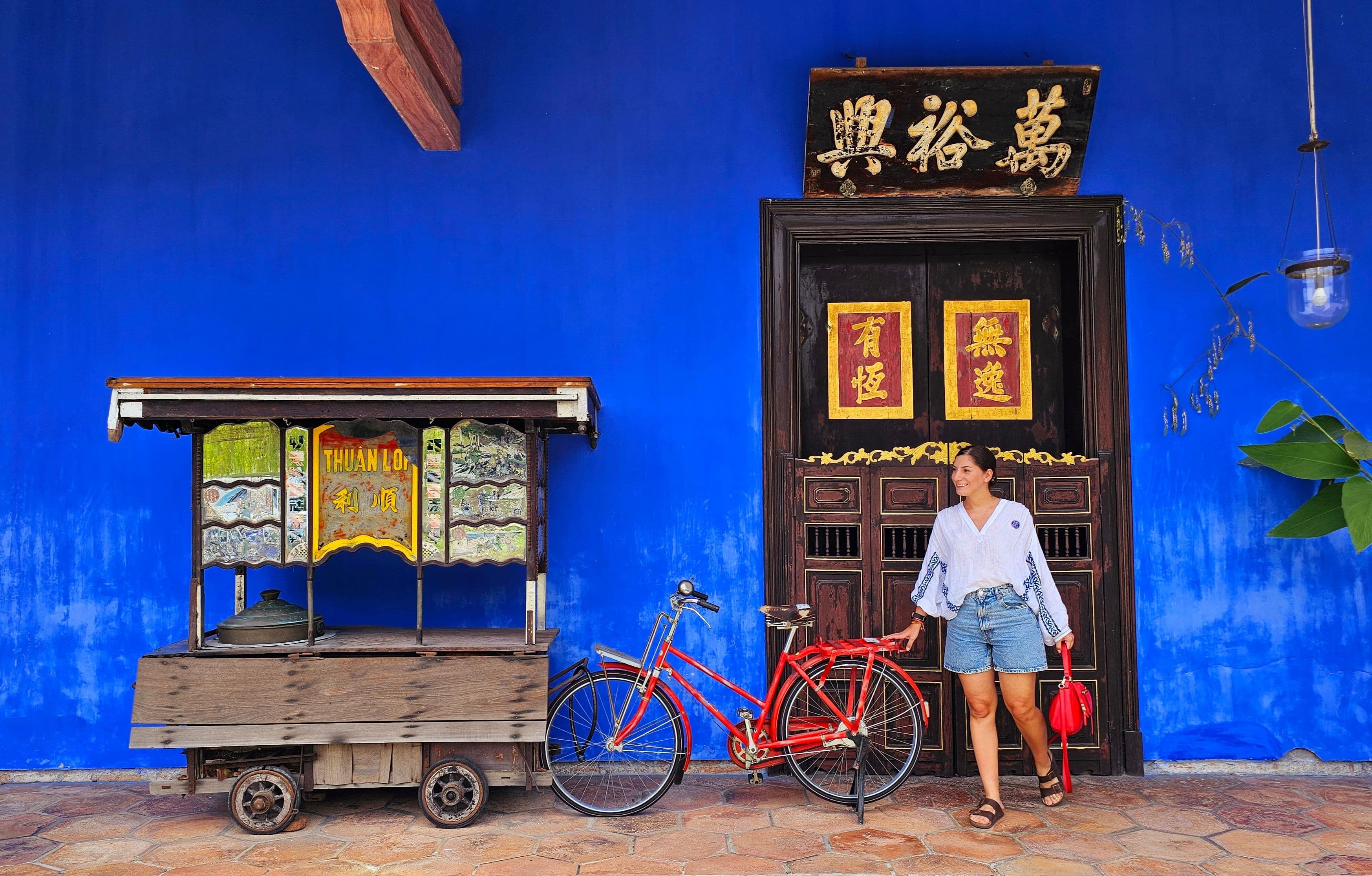
Cheong Fatt Tze Mansion, "the Blue Mansion", is a Qing-era Chinese merchant's residence painted an indigo so deep it looks unreal in the afternoon light. You might recognise it from Crazy Rich Asians. Today it's a boutique hotel (a must-stay if you can get a room), but the daily guided heritage tours in English are how most people see it. They start promptly.
12. The Pinang Peranakan Mansion
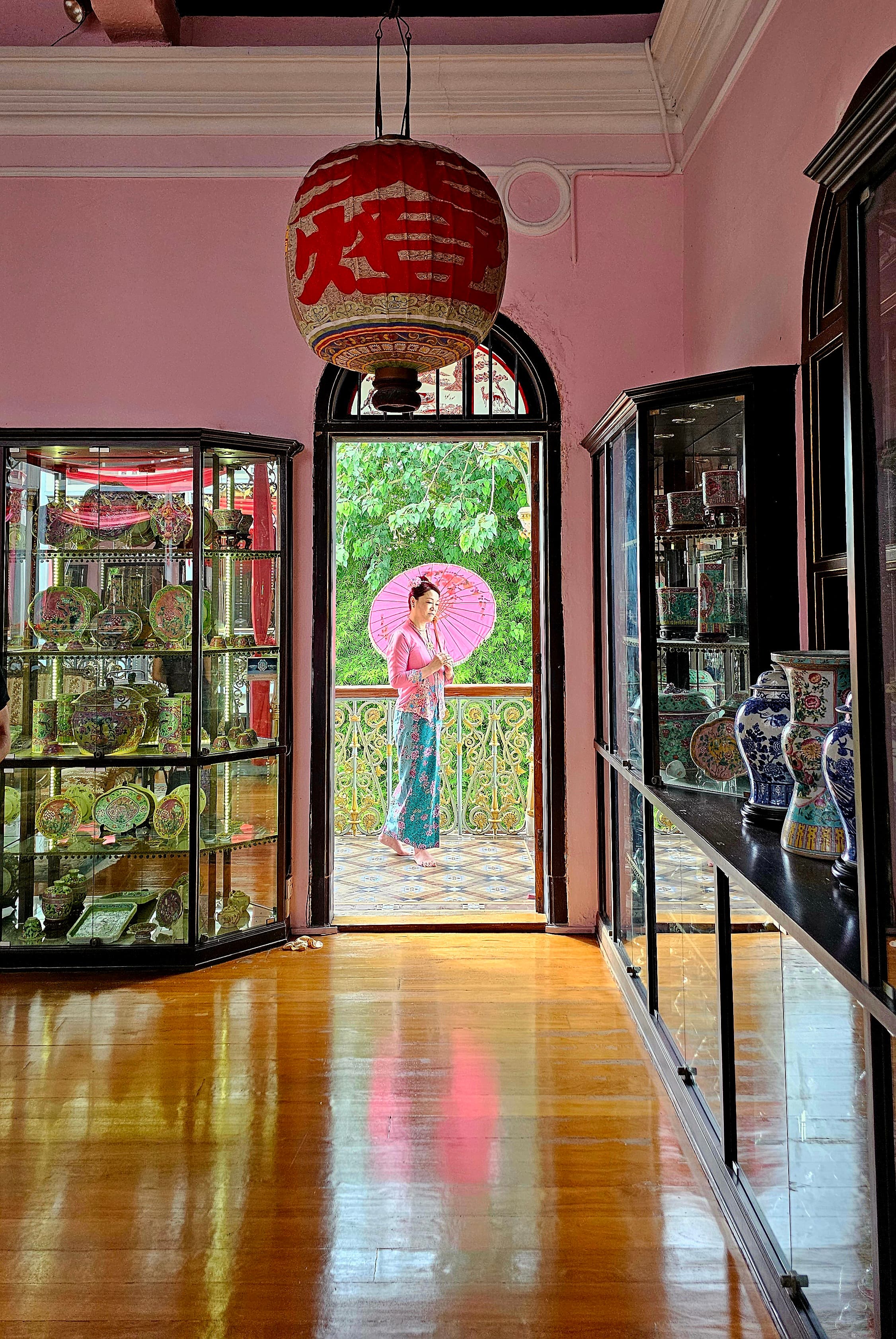
After the blue mansion, see the green one. The Pinang Peranakan Mansion on Church Street is one of Penang’s most interesting heritage houses, and it only really makes sense on a guided tour. It began as the home of Chung Keng Quee, a 19th-century Hakka tycoon and Hai San leader, then was restored by Peter Soon, a Peranakan collector who packed it with antiques of his own. The building is beautiful, but the stories are the real reason to visit.
13. Kek Lok Si Temple
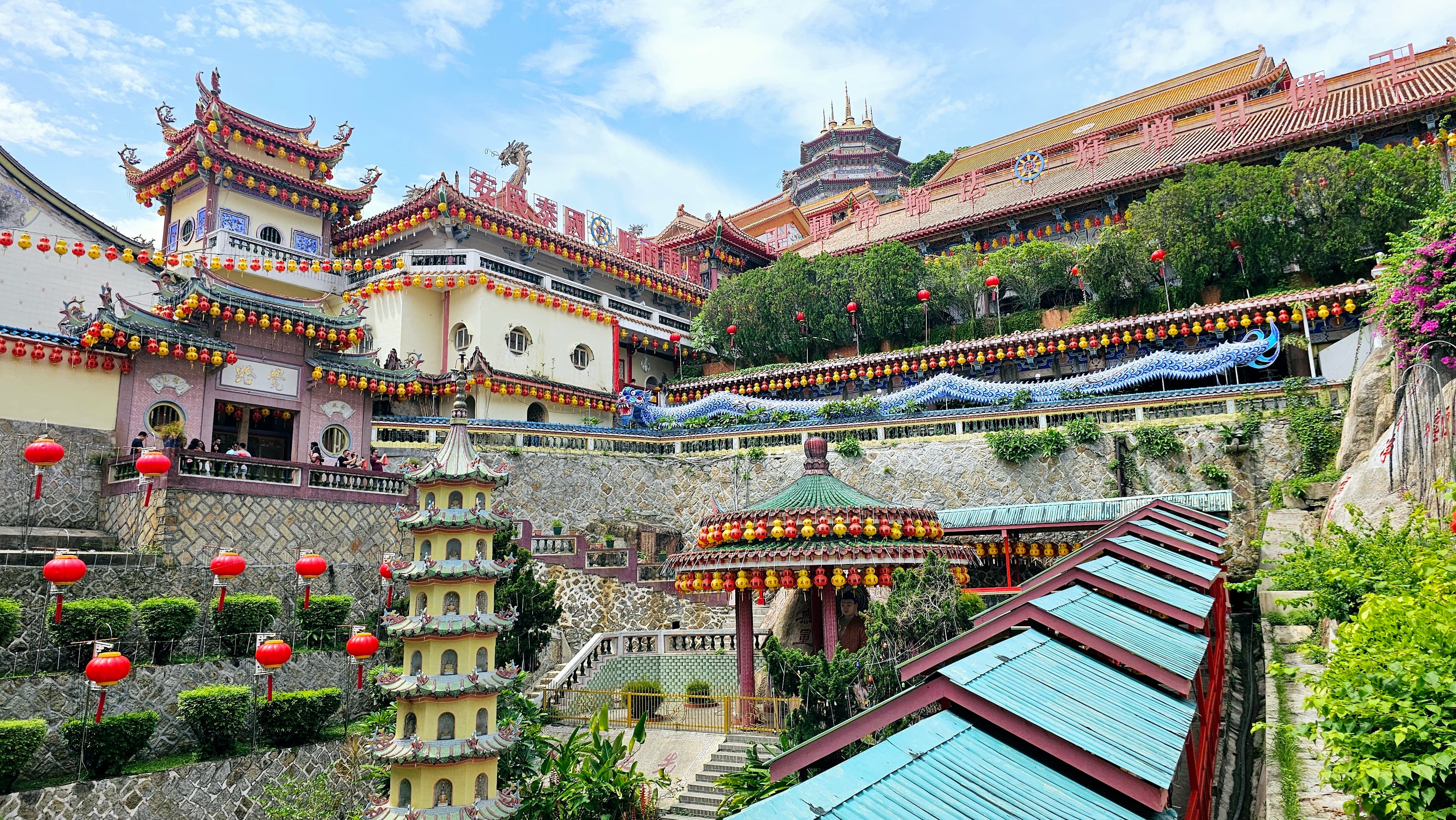
The largest Buddhist temple in Malaysia is in Air Itam, about 20 minutes from central George Town. Its seven-storey pagoda combines three styles: Chinese at the base, Thai in the middle, and Burmese at the top. The temple is a major pilgrimage site for Buddhists from Hong Kong, the Philippines, Singapore, and across Southeast Asia. If you can, come at night, or during Chinese New Year when the whole complex lights up in colour.
There are three ways to get around the hilltop complex: climb the stairs past the turtle pond, take the inclined lift, or (the fun option) ride a motorbike to the upper levels and walk down. The inclined lift usually runs from 8:30am to 5:30pm, and you should expect small extra fees for the lift, the pagoda, and parking.
14. Walk Harmony Street
Formally Pitt Street, the Street of Harmony is Malaysia's multiculturalism made physical: a church, a mosque, a Hindu temple, and a Taoist temple, all built by 19th-century migrants, all within a few minutes' walk of each other, all still in use. It costs nothing and says more about Penang than any museum.
- St. George's Church — the 19th-century Anglican church
- Goddess of Mercy Temple — incense clouds and offerings at the Taoist temple
- Shri Mahamariamman Temple — a riot of painted Hindu deities above the doorway
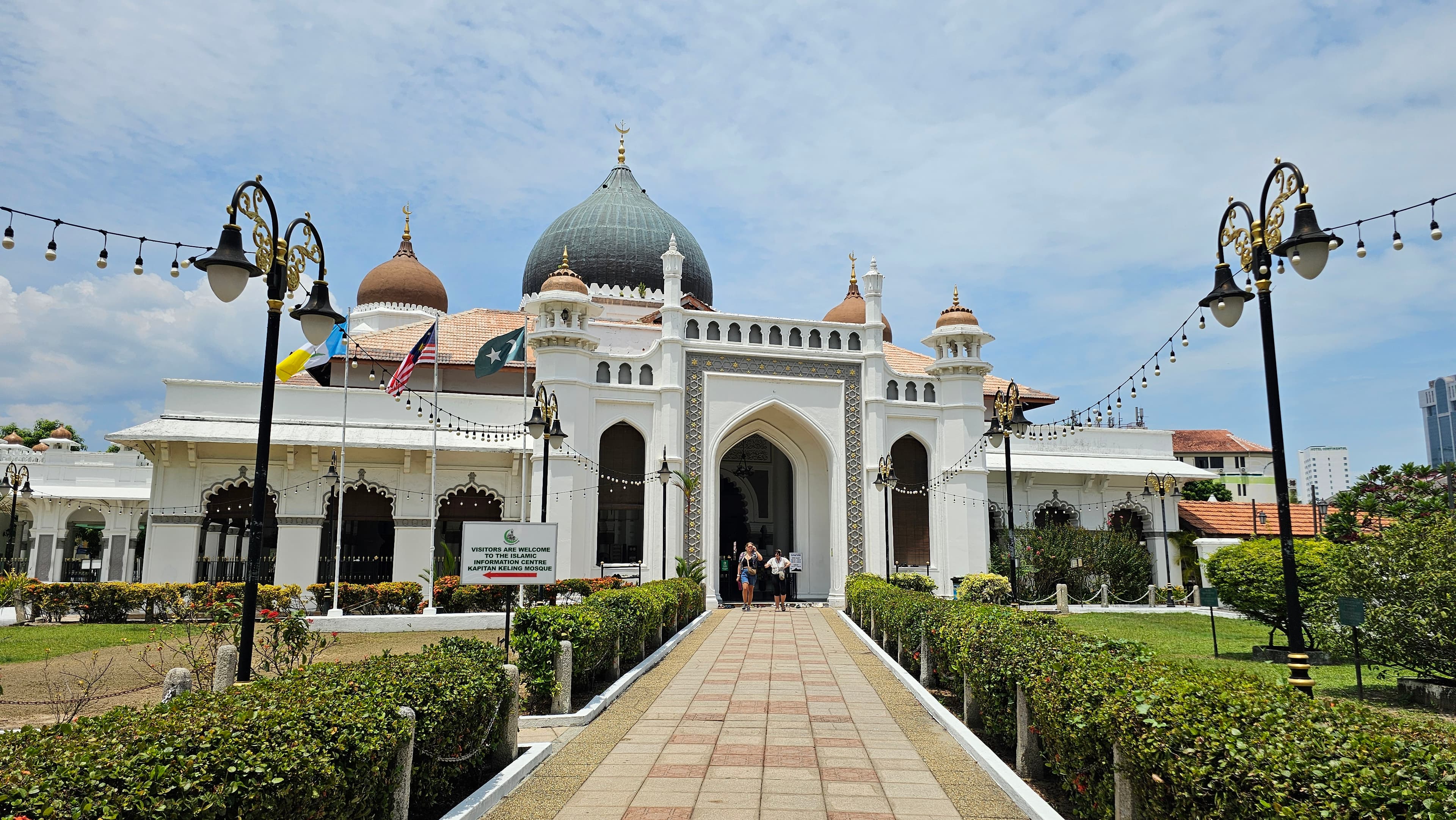
- Kapitan Keling Mosque — Mughal domes at the far end; see the next stop
15. Kapitan Keling Mosque
The most photogenic stop on Harmony Street deserves its own entry. Built in the 19th century by Indian Muslim traders, the Kapitan Keling Mosque is Indo-Moorish architecture at its most elegant: white arches, Mughal-inspired domes, and a minaret you'll spot from half the old town. Non-Muslim visitors are welcome outside prayer times; robes and headscarves are available to borrow. The cultural centre alongside tells the story of Penang's Indian Muslim community.
Art
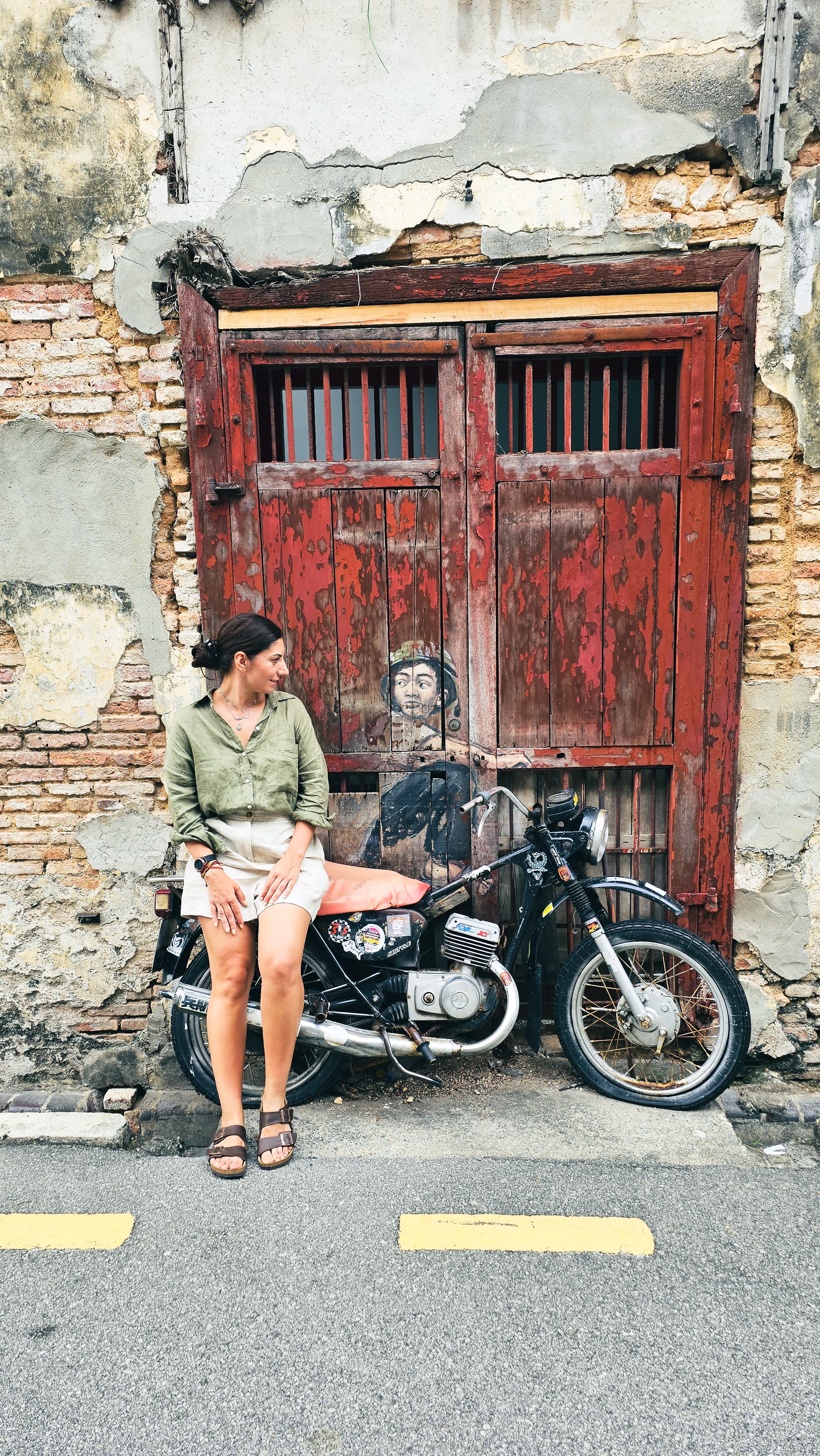
16. Hunt the street art
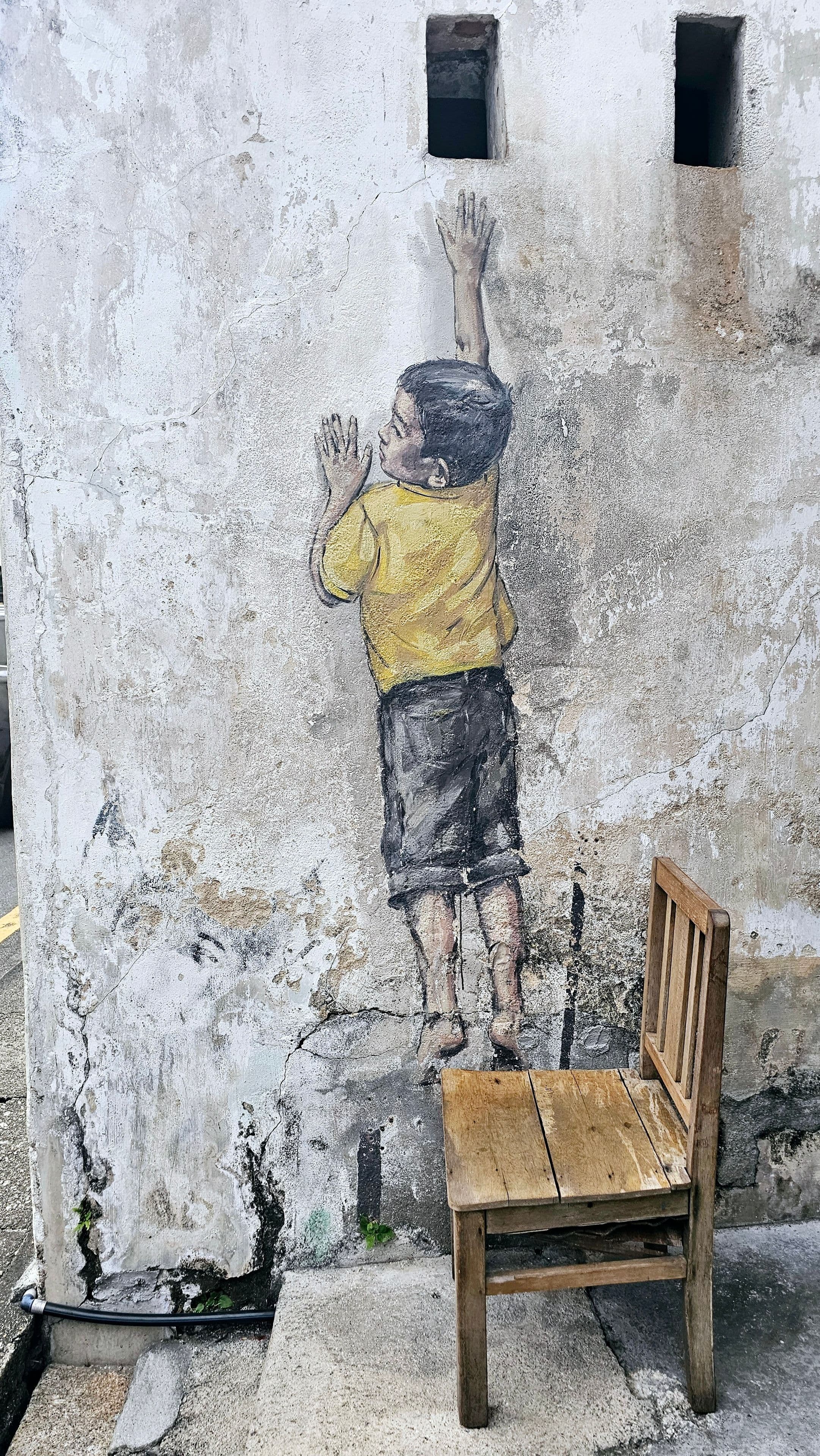
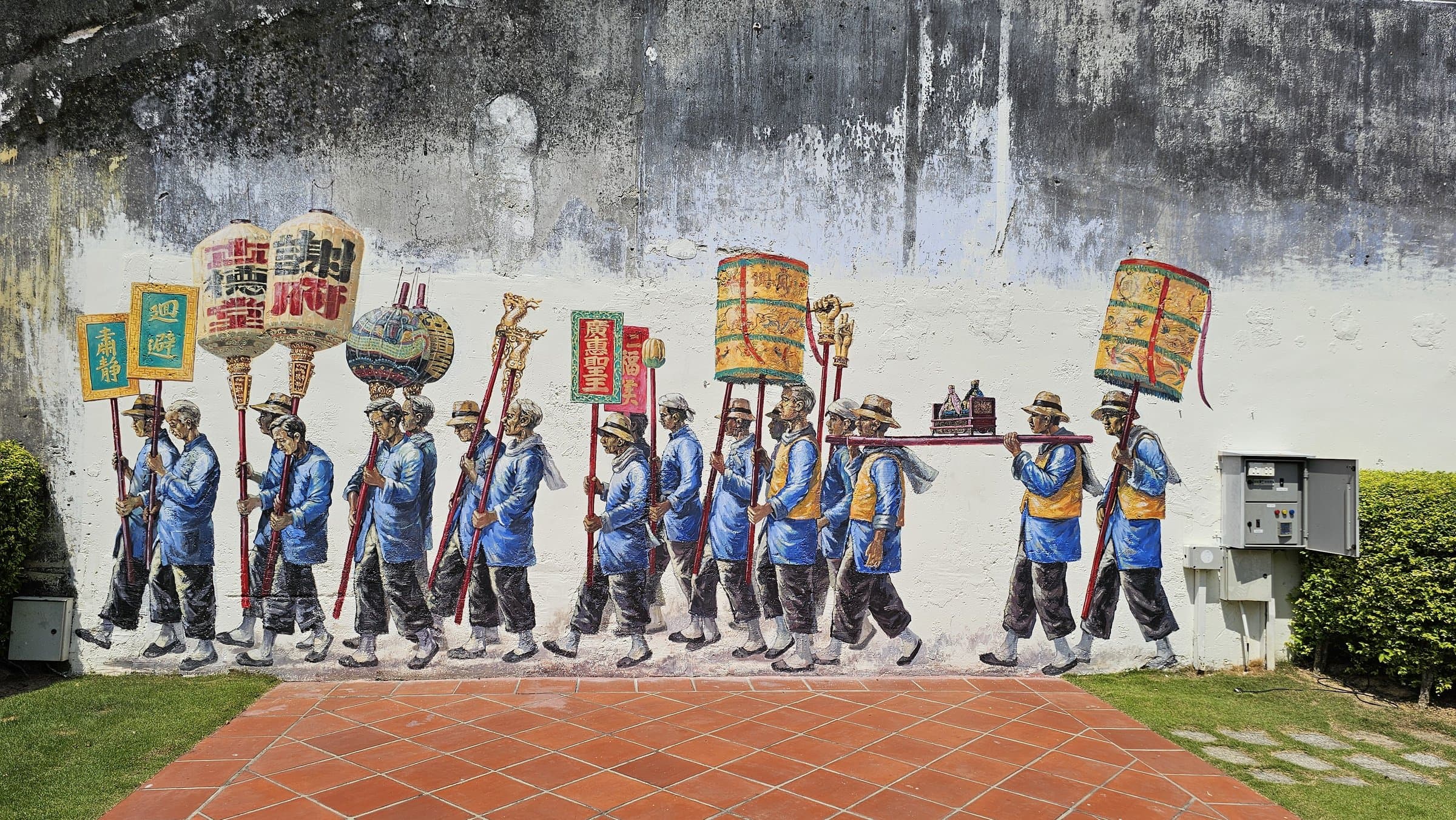
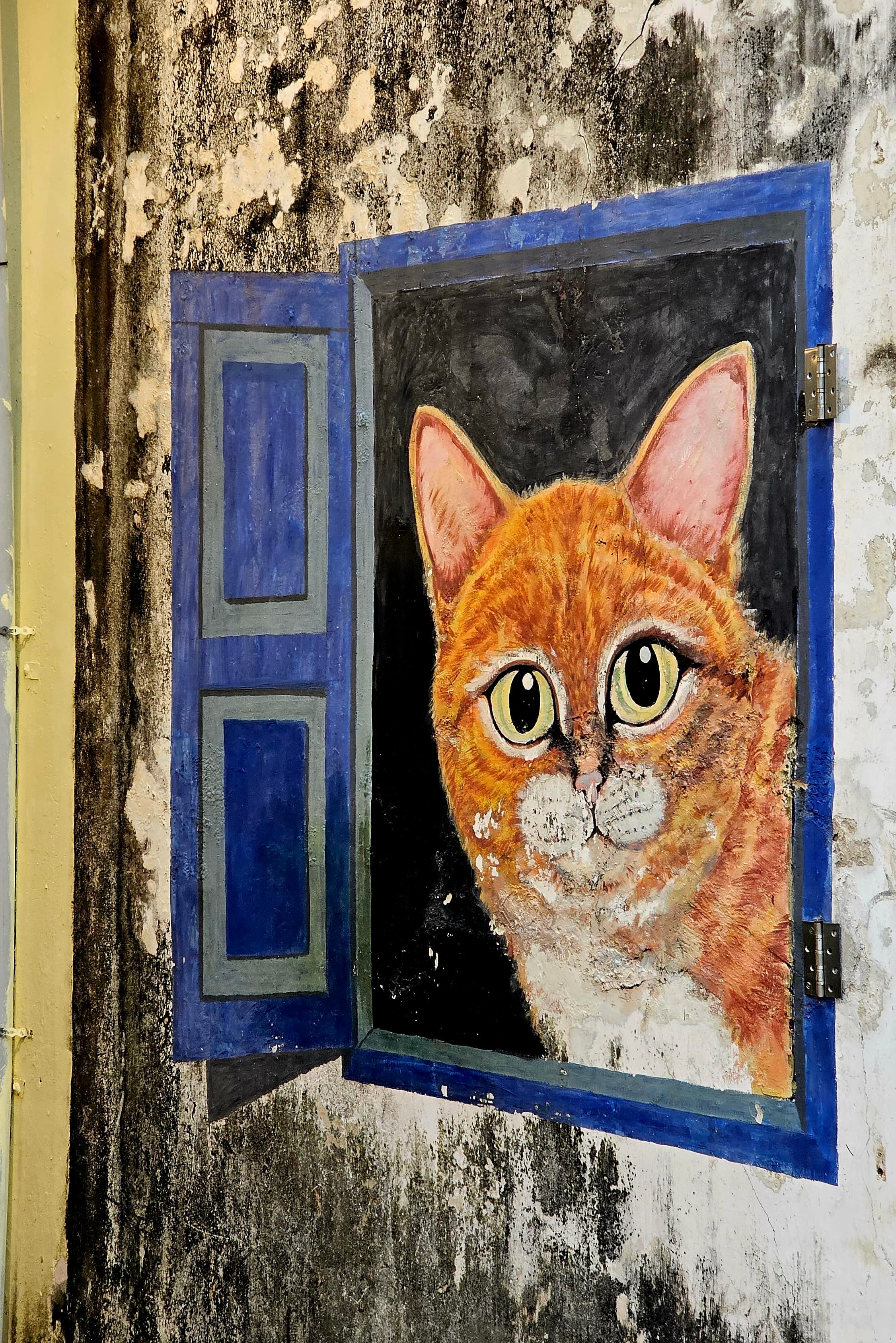
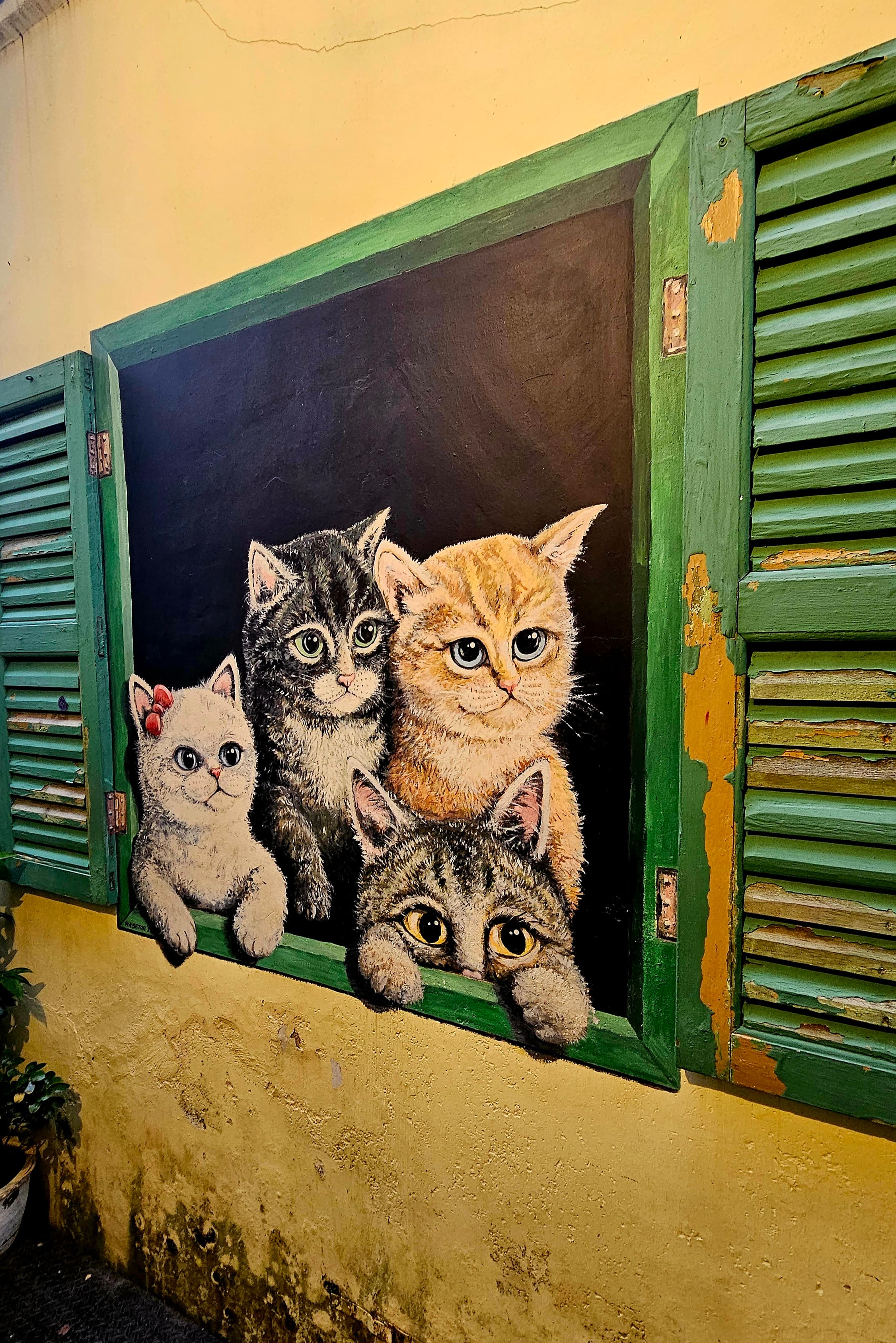
Penang's street art is unlike anywhere else's: less spray-can tagging, more murals grown out of local history and painted into the fabric of the old town. In 2012 the municipal council invited Ernest Zacharevic, a Lithuanian artist trained in London, to paint six murals inspired by daily life here, and the results turned George Town's walls into a treasure hunt. Half the travellers you'll meet are quietly keeping score of how many they've found.
17. Spot the Marking George Town sculptures
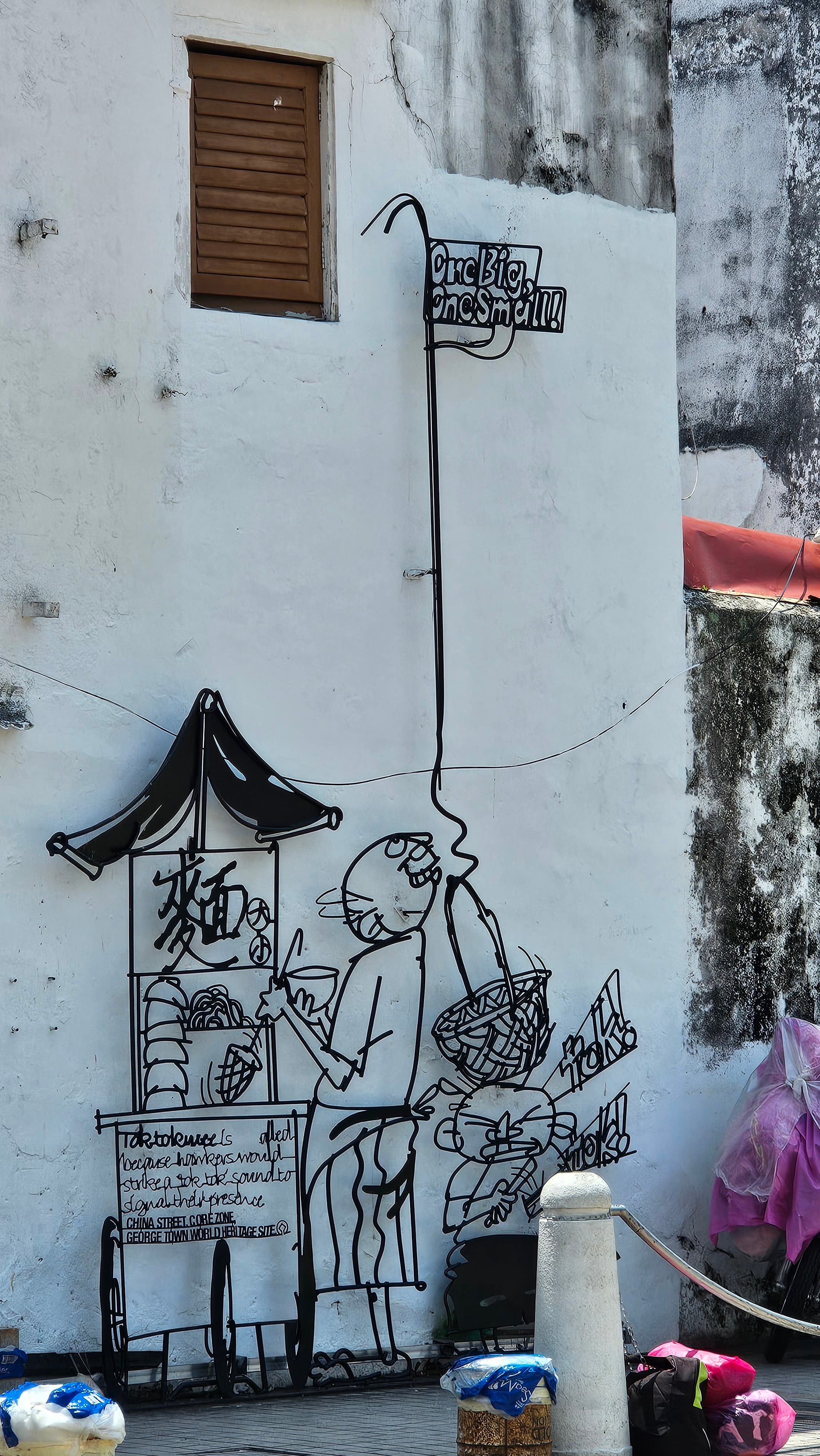
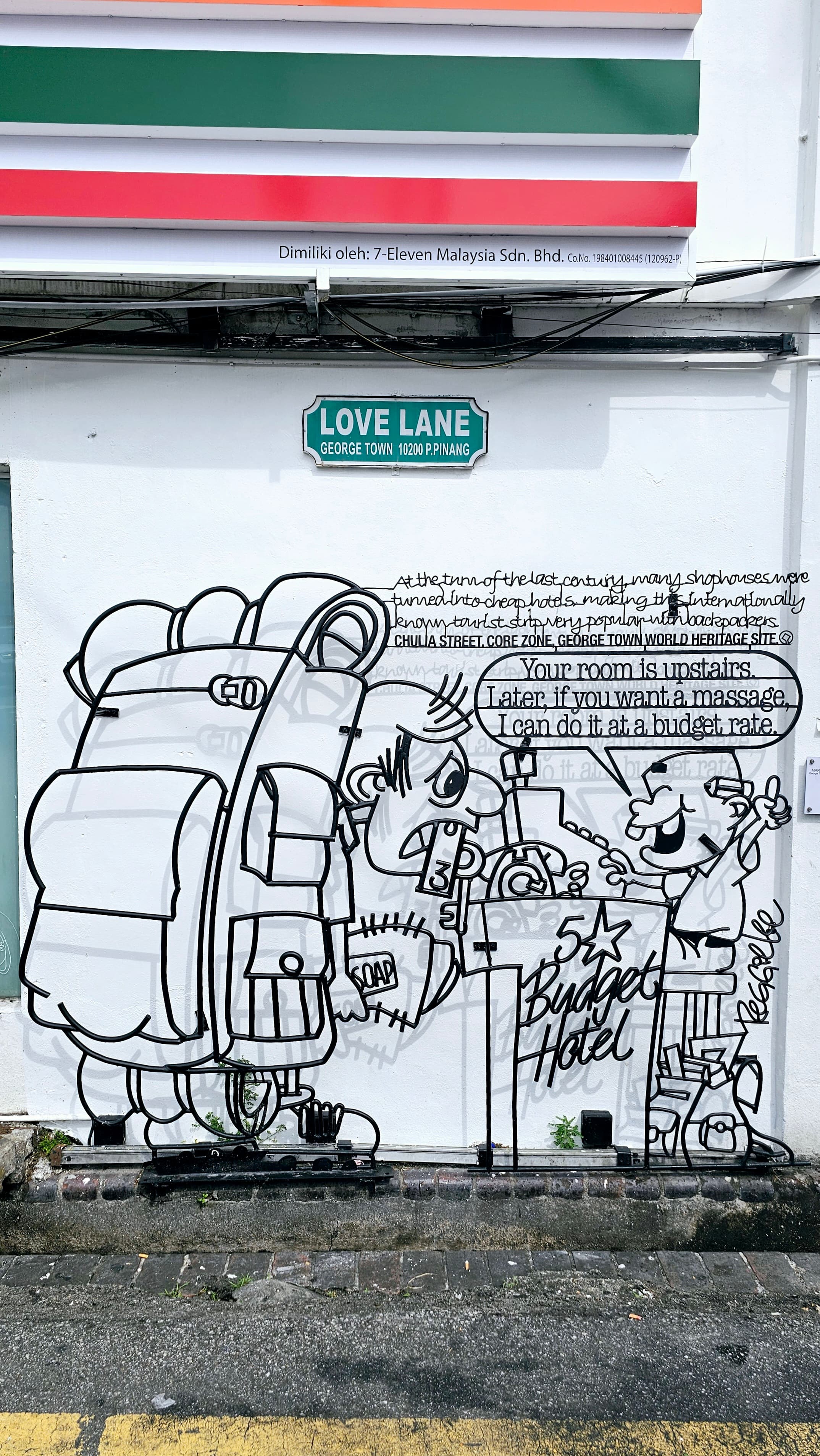
Once you've found the murals, start on the steel. The Marking George Town project scattered 52 sets of steel-rod caricatures through the heritage centre, each one a wry little cartoon about the street it stands on and the immigrants who built it. They turn a random walk into a history lesson you don't notice you're taking.
18. Sunday Market at Hin Bus Depot
If you're in Penang over a weekend, Hin Bus Depot is one of those places that's easy to lose an afternoon in. What was once a bus garage is now a creative little world of galleries, cafés, street art, and open space, with enough going on that you never quite know what you'll wander into next. On Sundays it turns into a proper market scene, with jewellery, trinkets, clothes, food, live music, and the odd talk or workshop, all mixed together in that relaxed Penang way. Grab a coffee, find a patch of grass, and stay longer than you meant to.
19. Do the novelty museums
George Town has a whole circuit of small, deliberately silly museums, and they're more fun than they really have any right to be: mind-bending photo ops at the Upside Down Museum, giant snacks at the Wonderfood Museum, stepping inside famous paintings at the 3D Trick Art Museum, and the pleasantly creepy Ghost Museum.
The sleeper hit for anyone who loves photography is the Asia Camera Museum: over 1,000 cameras and accessories, antique gear you're allowed to handle, and demonstrations of film development and old repair techniques.
Shopping
20. Shop the century-old shophouses
The best souvenirs I brought home from Malaysia all came from George Town's shophouses. These aren't airport-gift-shop rows; they're century-old family shops selling things you'll actually keep. I came home with linen clothes, a hat, tea, a handmade wallet with my name inscribed on it, and infused-oil ceramics shaped like a dog. You'll find your own strange treasure; that's the point.
So, is Penang worth visiting?
Yes. Absolutely. Very few places give you a UNESCO old town, world-class street food, ancient rainforest, temples, beaches, and a genuinely great coffee scene inside one island you can drive across in an hour. Penang rewards three days and it rewards a week; it works for food pilgrims, families, culture nerds, and people who just want cake and a view.
If this list sold you, start with the city: my 3-day George Town itinerary covers where to stay, how to get here, and how the heritage-core highlights fit together day by day.
FAQ
Is Penang worth visiting?
Yes. Penang combines UNESCO-listed George Town, some of the best street food in Southeast Asia, rainforest hikes, major temples, and beaches on one compact island; few destinations pack this much variety into a single trip.
How many days do you need in Penang?
Three full days covers George Town's heritage core, street art, and food scene. Add one or two more for Penang Hill, Penang National Park, and the beaches at Batu Ferringhi.
Is Penang good for families?
Very. The Escape adventure park, interactive museums like the Wonderfood Museum, the funicular ride up Penang Hill, and the calm beach at Batu Ferringhi all work well with kids.
What is Penang famous for?
Street food above all (char kway teow, assam laksa, curry mee), plus George Town's UNESCO heritage streets, its street art scene, and Kek Lok Si, the largest Buddhist temple in Malaysia.